18 Low Maintenance Haircuts for Fine Hair That Actually Work
By 

What I like about the right low-maintenance cut is that it makes fine hair look like more than it is — without a 20-minute styling routine. The secret is not more products; it is a smarter cut: blunt ends, strategic layers, and a length that works with your texture instead of fighting it.
These 18 cuts are the ones I recommend to anyone with fine hair who wants to look polished on minimal effort. Air-dry friendly, grow-out friendly, and every one of them designed to fake fullness where you need it most.
1. The Classic Blunt Bob
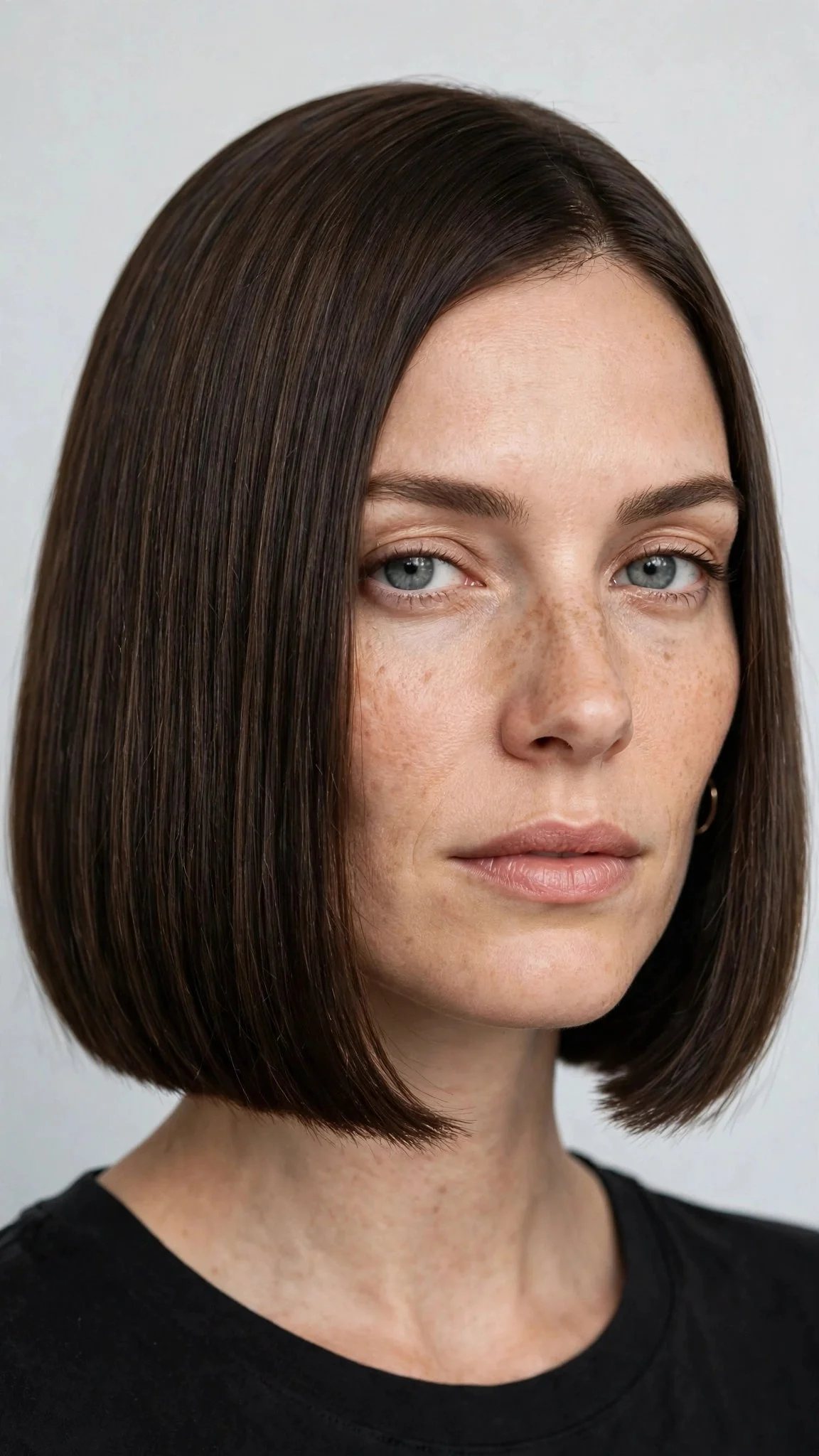
A one-length bob cut to the chin or jaw is the single best trick for fine hair. With no layers to thin out the ends, the bottom looks thick and full. It air-dries into a clean shape and looks sharp even when you do nothing to it.
Ask your stylist for a true one-length cut with a crisp baseline — no razoring, no texture on the ends. Tip: tuck one side behind your ear for an instant polished look, and a smoothing serum on damp ends keeps it sleek.
2. Long Layers With Blunt Ends
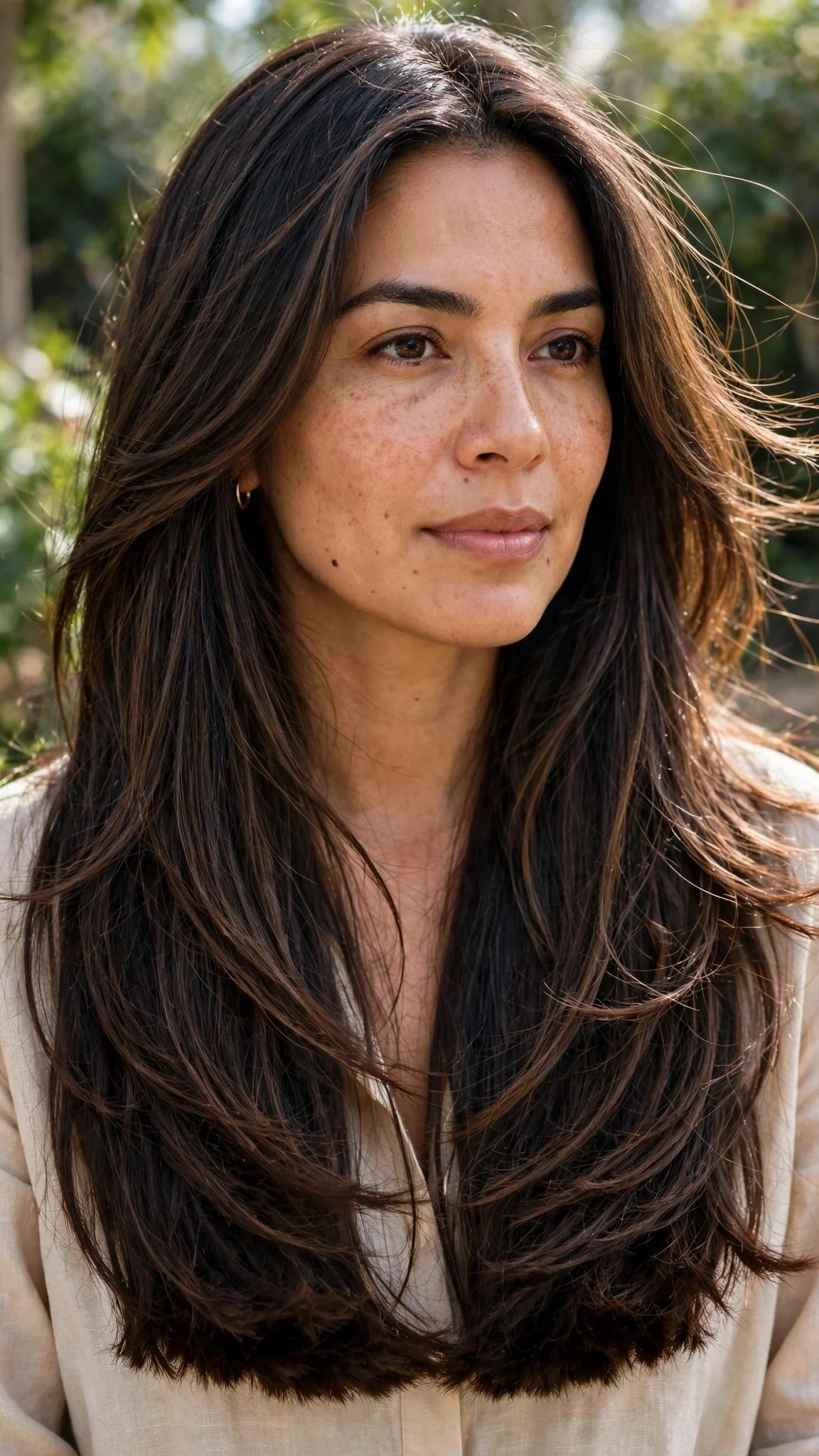
If you are not ready to go short, this cut gives you long hair with just enough layering to add movement. The trick is keeping the ends blunt — long, invisible layers through the mid-lengths, full density at the bottom. It is the best of both worlds.
Ask your stylist for long layers that start below the chin, with the perimeter cut blunt. Tip: flip your part to the other side while drying for instant root lift, and a lightweight oil on the ends prevents them from looking stringy.
3. The Shaggy Lob
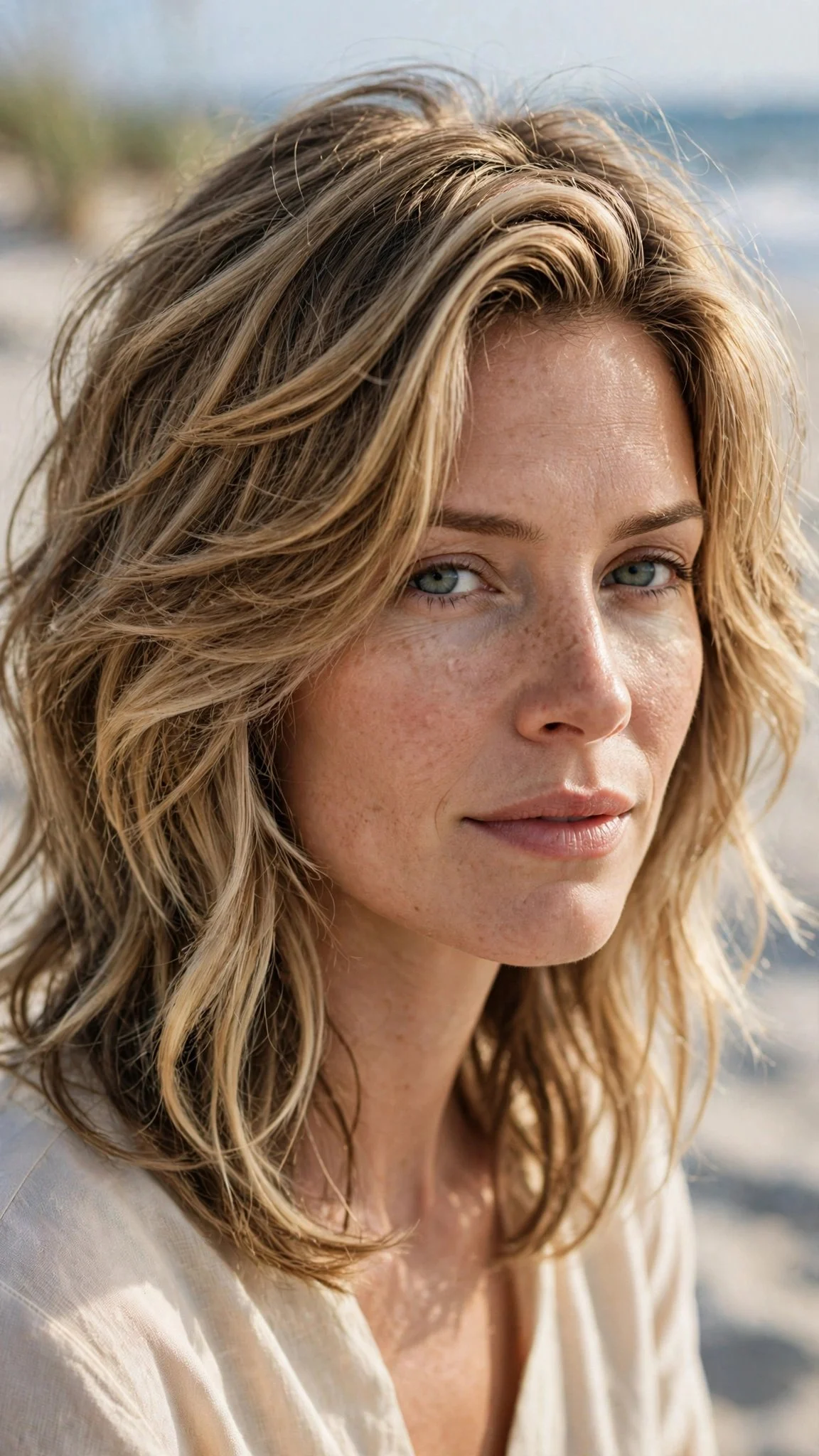
A collarbone-length lob with soft, invisible layers through the ends gives fine hair texture without stealing density. It is the cut that looks good messy, which is exactly what low maintenance means. Air-dry and go.
Ask your stylist for light layering concentrated in the bottom third of the hair. Tip: scrunch in a wave cream on damp hair and let it air-dry — the layers will form soft bends on their own. Dry shampoo at the roots on day two adds grit.
4. Textured Pixie
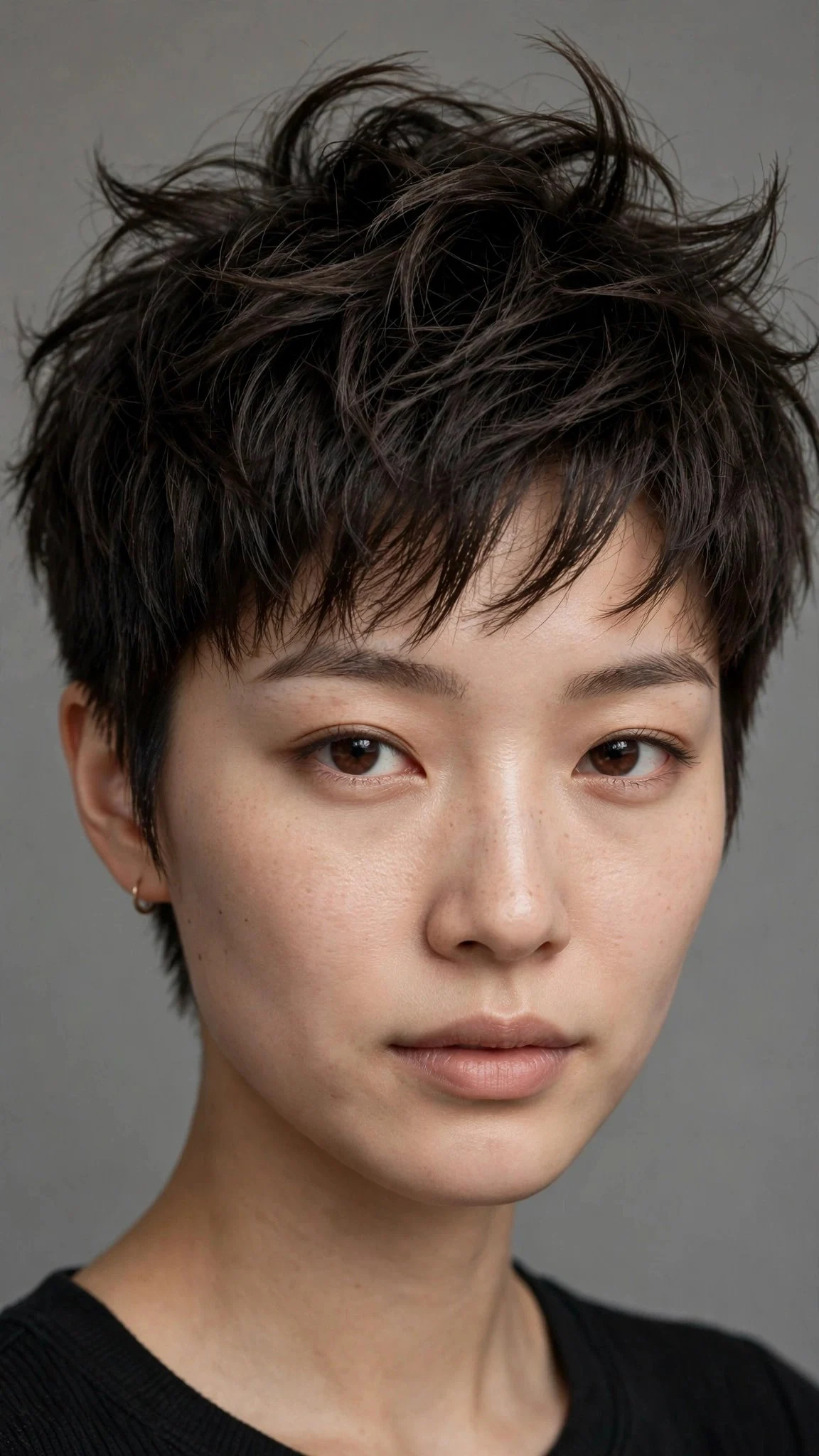
Short hair is a cheat code for fine hair because shorter strands stand up and create lift. A textured pixie with piecey layers on top looks fuller than any long style, and it takes five minutes to style — sometimes less.
Ask your stylist for length on top with tapered sides, textured with point-cutting. Tip: a dab of matte paste worked through dry hair is the whole routine. Let it grow a little between cuts — the messy grow-out looks great.
5. The Blunt Lob
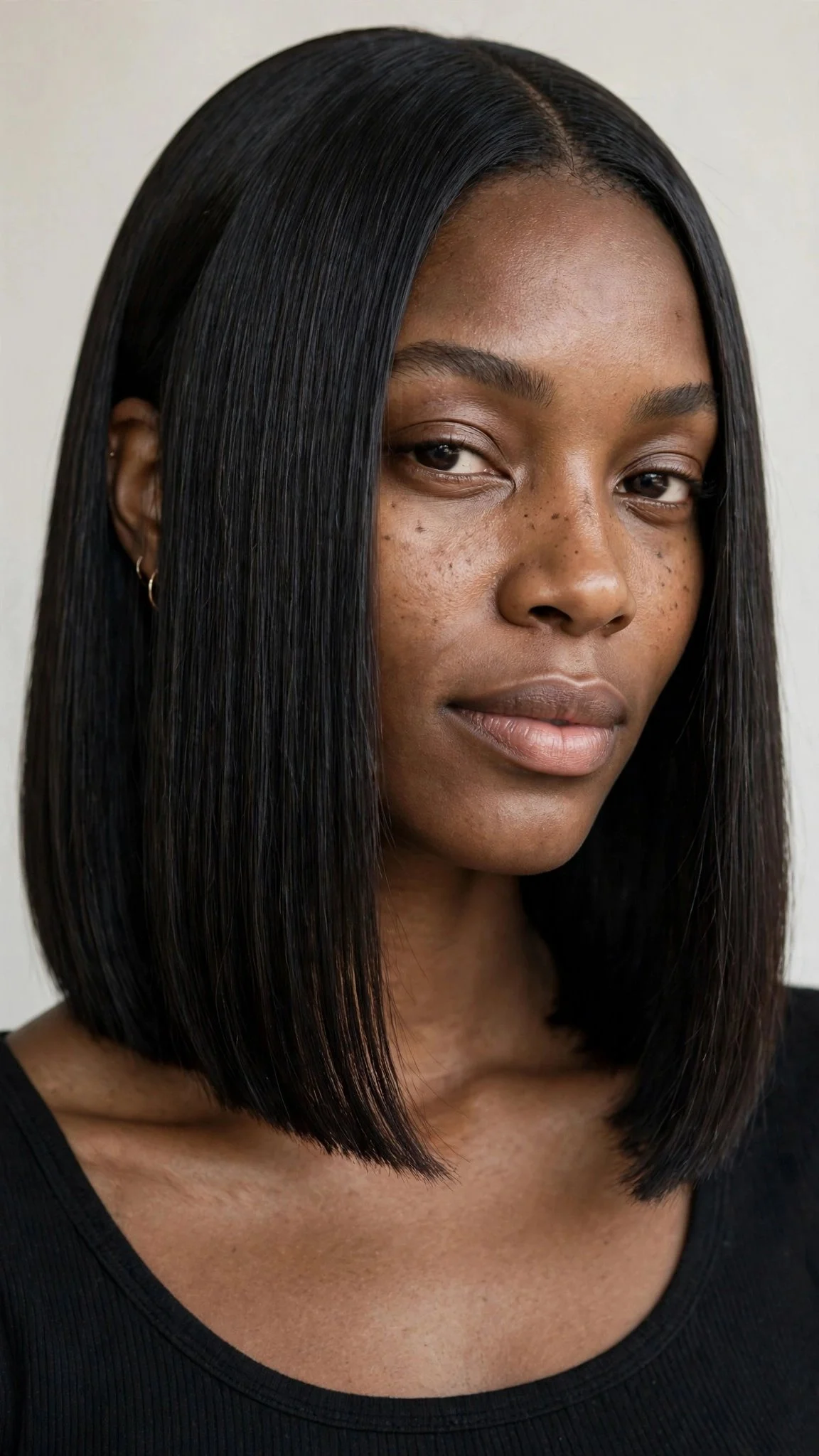
The blunt lob is the blunt bob’s longer sister — one length to the collarbone, zero layers, maximum thickness at the ends. It is endlessly wearable, works for every occasion, and grows out into long hair without an awkward phase.
Ask your stylist for a straight-across cut at the collarbone with no layering. Tip: it looks great air-dried straight or with a slight bend from a flat iron — two looks from one cut. A shine spray keeps the ends looking healthy.
6. Curtain Bangs With Long Hair

Adding curtain bangs to long fine hair is the lowest-effort update with the biggest payoff. They add volume and movement around the face, make long hair feel styled even when the rest is untouched, and grow out seamlessly.
Ask your stylist for cheekbone-length curtain bangs blended into long layers. Tip: blow-dry the bangs forward and down for two minutes, then sweep them apart — that is the entire styling commitment. They hide a multitude of bad hair days.
7. The French Bob

Chin-length, slightly tousled, often with soft bangs — the French bob makes fine hair look chic instead of thin. The short length builds in volume, and the undone texture means you never have to be precise. It is Parisian effortlessness in a haircut.
Ask your stylist for a chin-length bob with a little texture through the ends and optional wispy bangs. Tip: air-dry with a bit of wave cream, then mess it up with your fingers. The whole point is that it should not look “done.”
8. Collarbone Cut
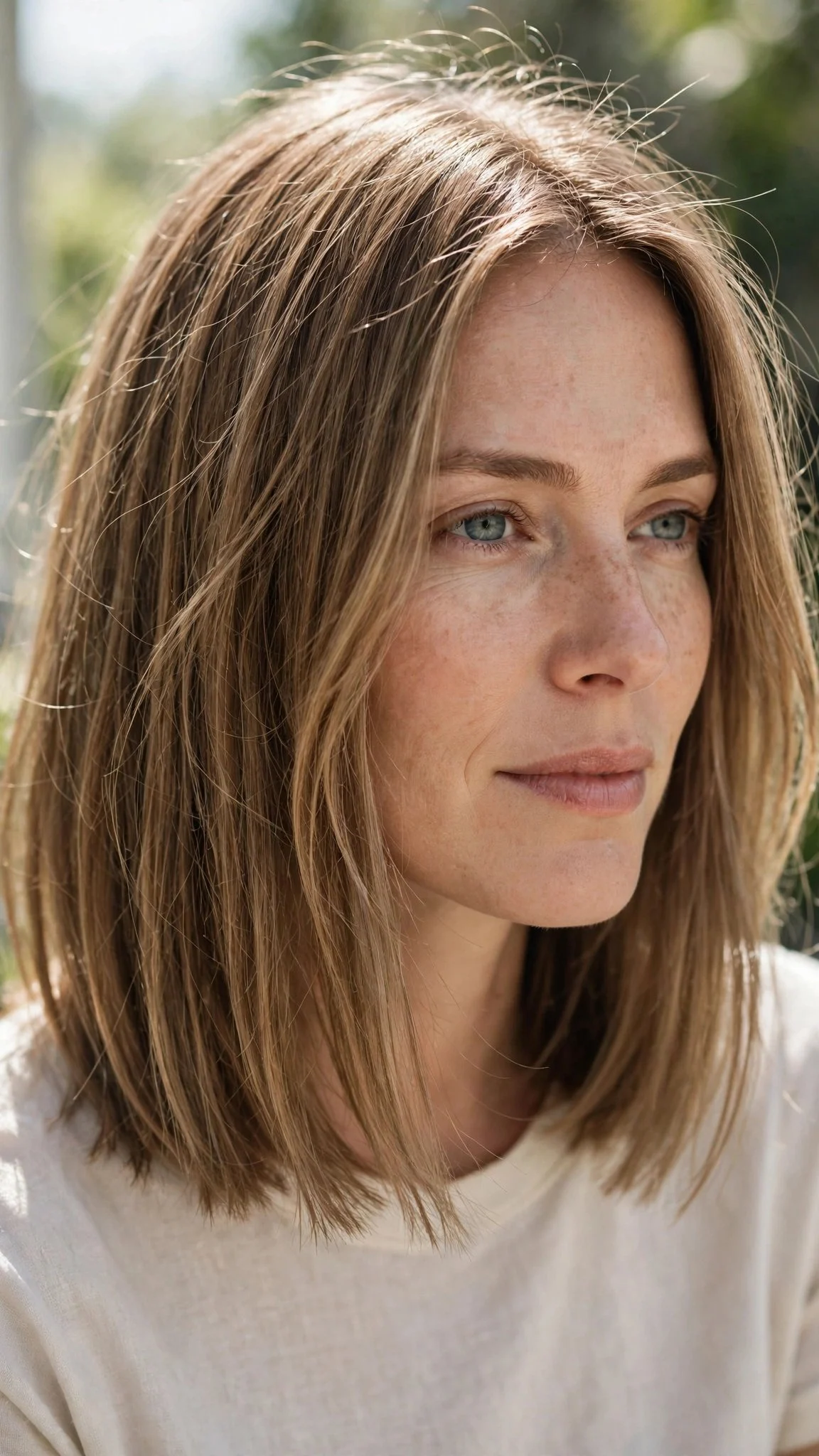
The collarbone cut is the universal safe length for fine hair — long enough to feel like long hair, short enough to keep volume. With minimal layering and blunt ends, it holds its shape between cuts and styles in minutes.
Ask your stylist for a blunt collarbone cut with at most one or two long layers. Tip: this length works in a low ponytail or bun without wispy fallout, so it is as practical as it is pretty. Refresh the ends every 10–12 weeks.
9. Side-Parted Shoulder Cut
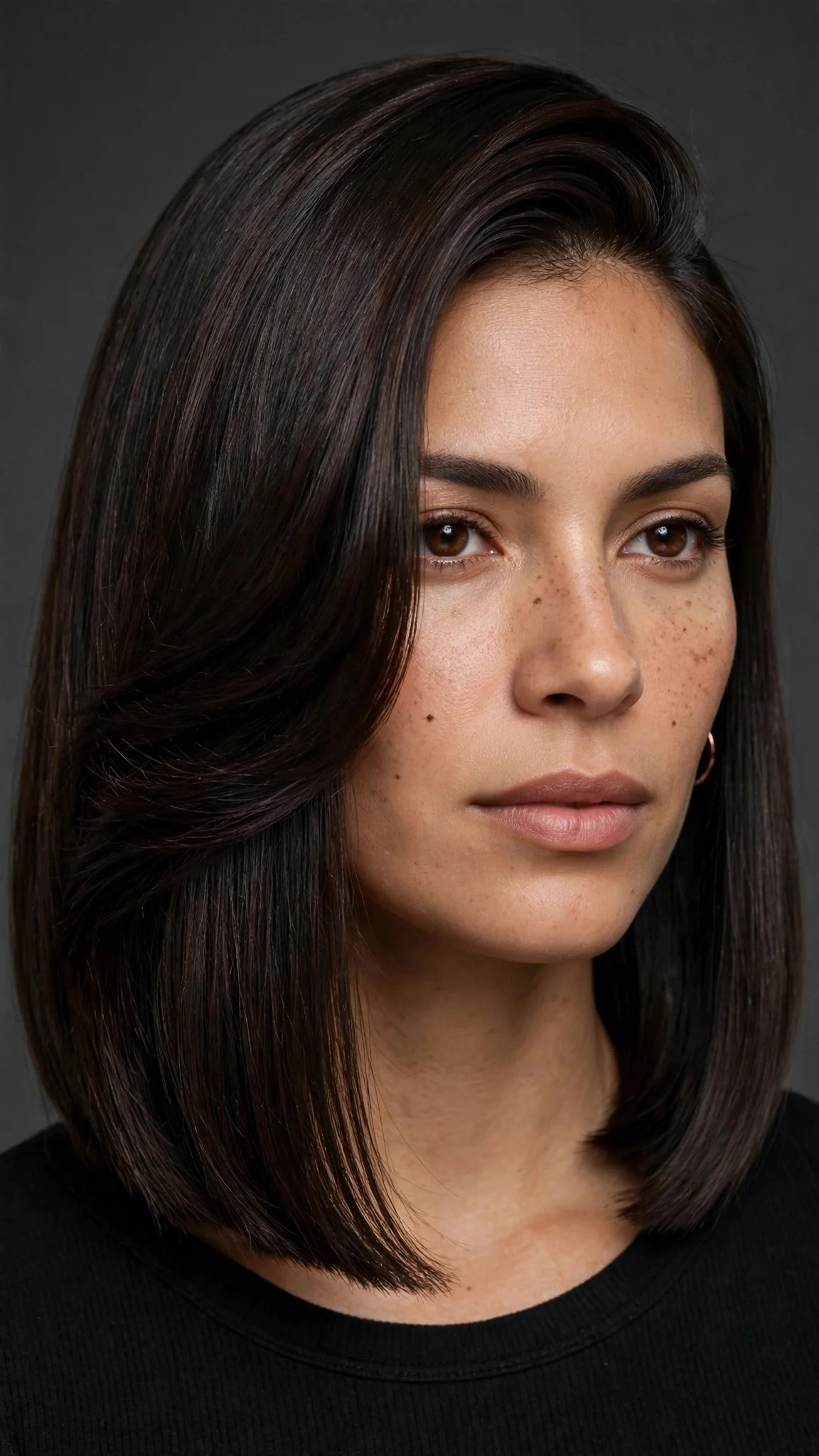
Sometimes the cut is not the whole story — a deep side part on a shoulder-length cut instantly doubles the volume on the heavy side. Keep the cut itself simple and blunt, and let the part do the heavy lifting.
Ask your stylist for a blunt shoulder-length cut and have them set your part on the side where your hair naturally falls. Tip: switch the part to the opposite side on day two for a root refresh without washing. A root-lifting spray helps the part hold.
10. The Birkin Bangs Cut

Named for Jane Birkin’s iconic fringe, these are long, piecey bangs worn with long, simple hair. On fine hair they add fullness around the face and a focal point, so the rest of the hair can be low-effort. They are the easiest bangs to grow out, too.
Ask your stylist for long, wispy bangs that hit between the brows and lashes, kept piecey. Tip: they look best slightly grown out, so stretch trims to 8 weeks. A quick blast with the dryer in the morning is all they need.
11. Air-Dried Waves Cut
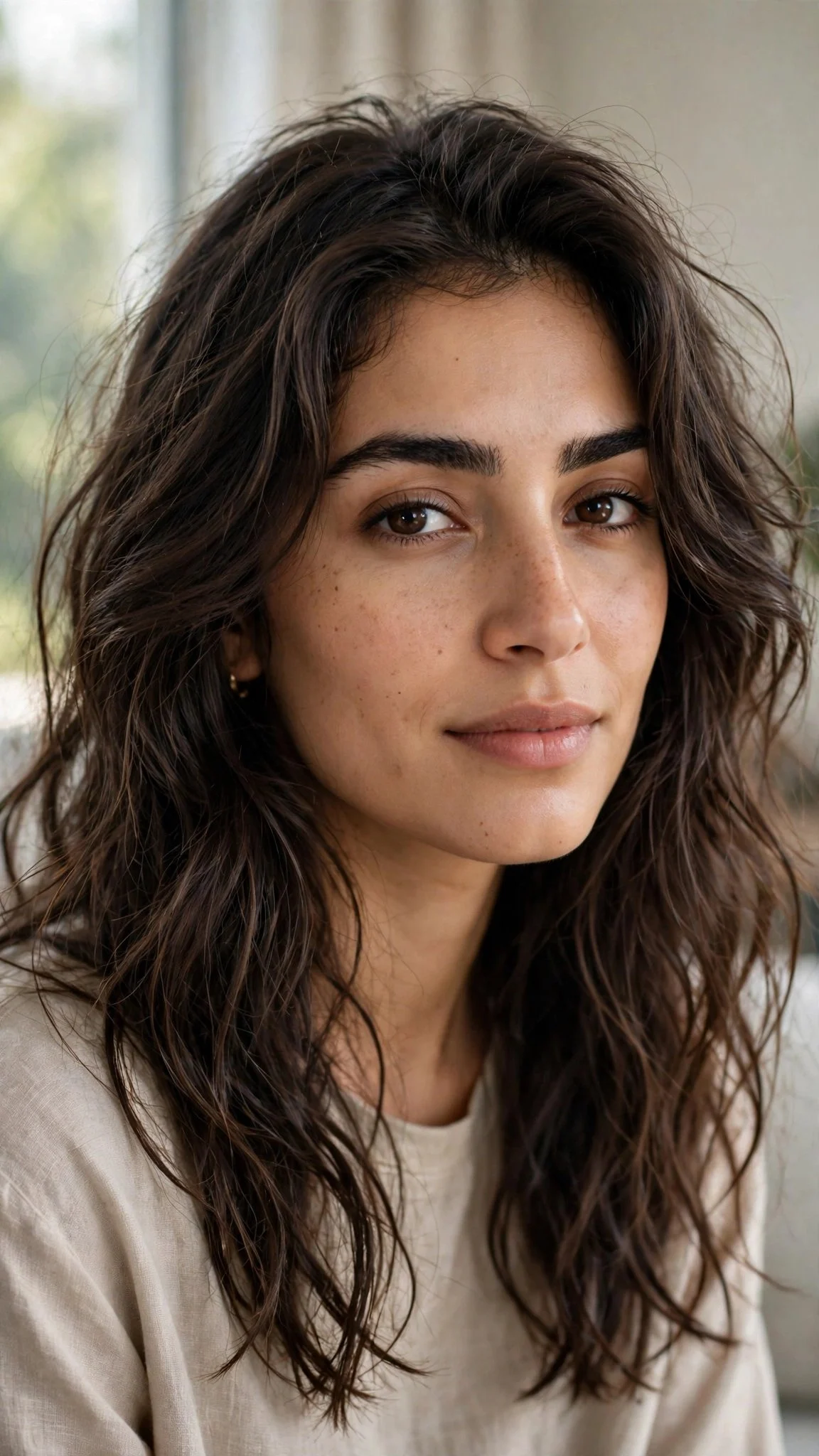
This cut is designed around one goal: looking good with zero heat. Long, soft layers are placed where your natural wave pattern lives, so the hair falls into bends on its own as it dries. You wash, you scrunch, you walk away.
Ask your stylist to cut with your natural texture in mind — show them how your hair air-dries. Tip: apply curl or wave cream to soaking wet hair, scrunch, and do not touch it until it is fully dry. Touching creates frizz; patience creates waves.
12. The One-Length Midi
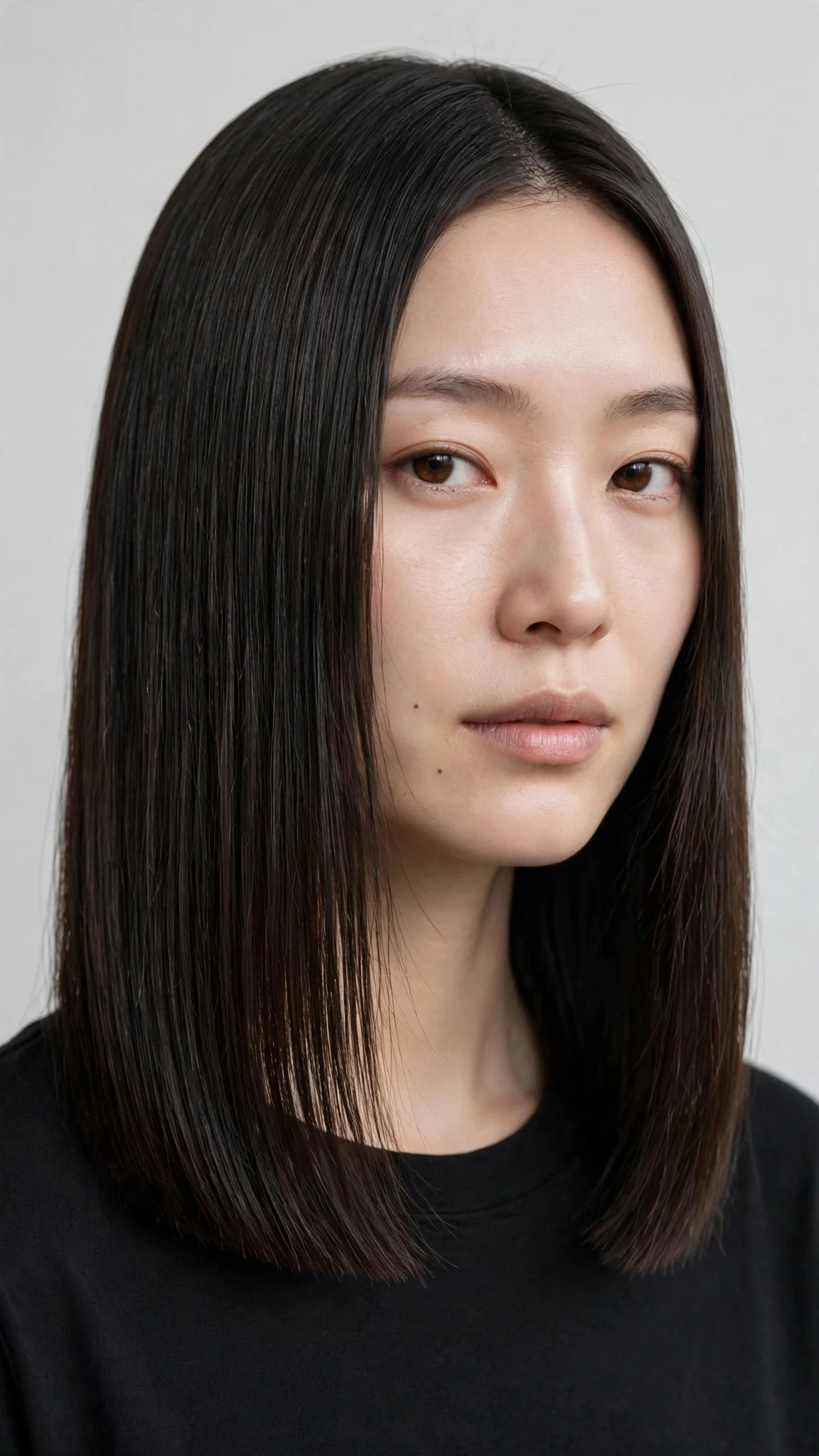
A midi cut — between the chin and shoulders — with zero layers is the density-maximizing choice. Every strand ends at the same place, so fine hair reads as thick. It is sleek, modern, and nearly zero-maintenance.
Ask your stylist for a one-length cut with a sharp baseline and no internal thinning. Tip: it looks best with a clean finish, so a flat iron pass on the ends takes two minutes. For texture, bend the ends under with a round brush instead of layering.
13. Short Layered Crop
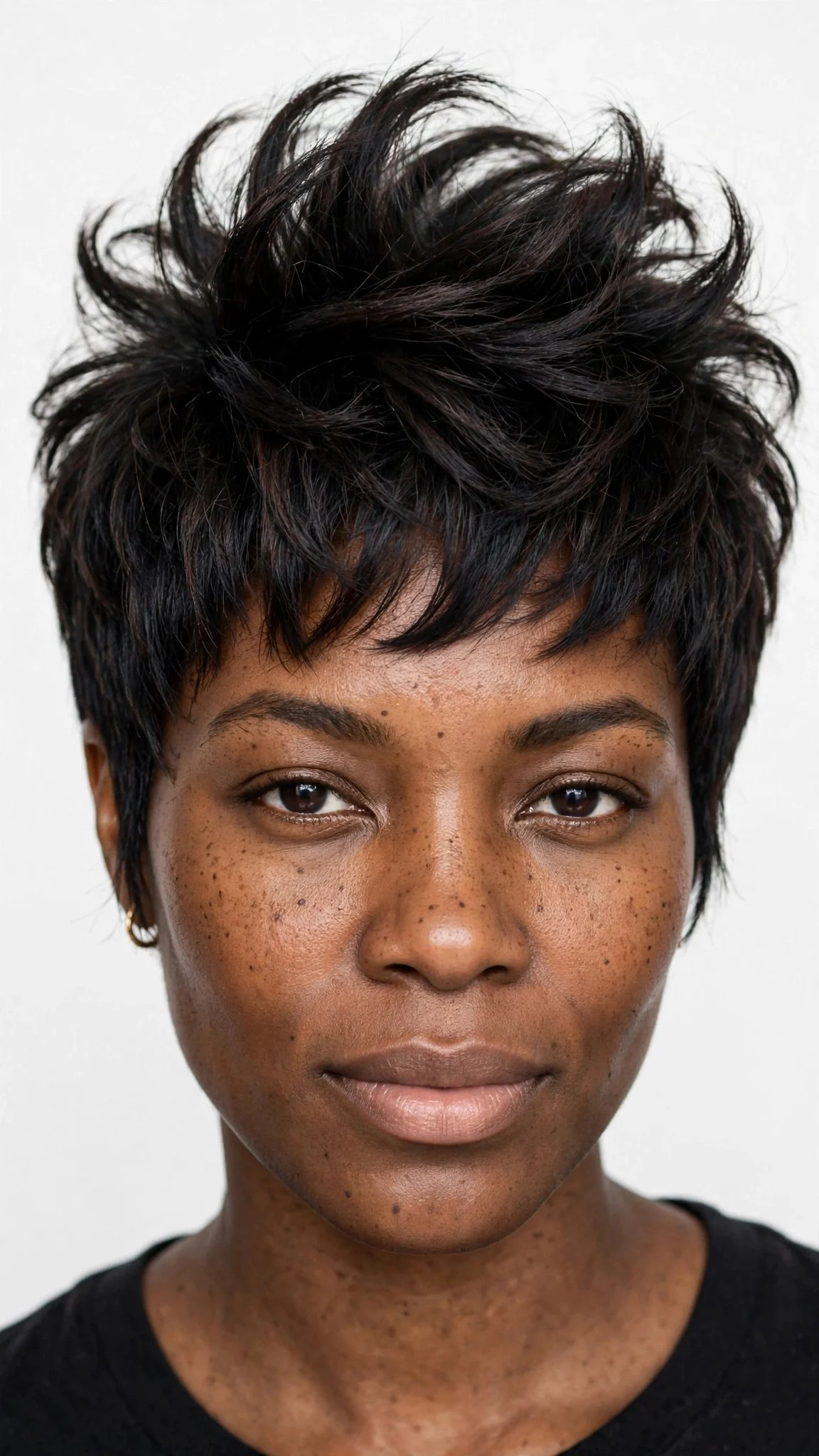
Slightly longer than a pixie but still short, this crop uses layers through the crown to create height and fullness. Fine hair gets natural lift at this length, and the styling routine is measured in seconds, not minutes.
Ask your stylist for a cropped cut with stacked layers at the crown and soft, textured edges. Tip: a pea-sized amount of volumizing mousse on damp roots, then finger-style while drying. Dry shampoo on day two keeps the lift.
14. The Undone Shag

A shag with soft, long layers is surprisingly good for fine hair when the layers are kept subtle. The texture creates the illusion of fullness, and because the style is meant to look undone, you never have to fuss over it.
Ask your stylist for long, soft layers — not short choppy ones — so you do not lose density. Tip: a salt spray scrunched into damp hair and air-dried is the entire routine. The messier it looks, the better it works.
15. Wispy Ends Long Cut
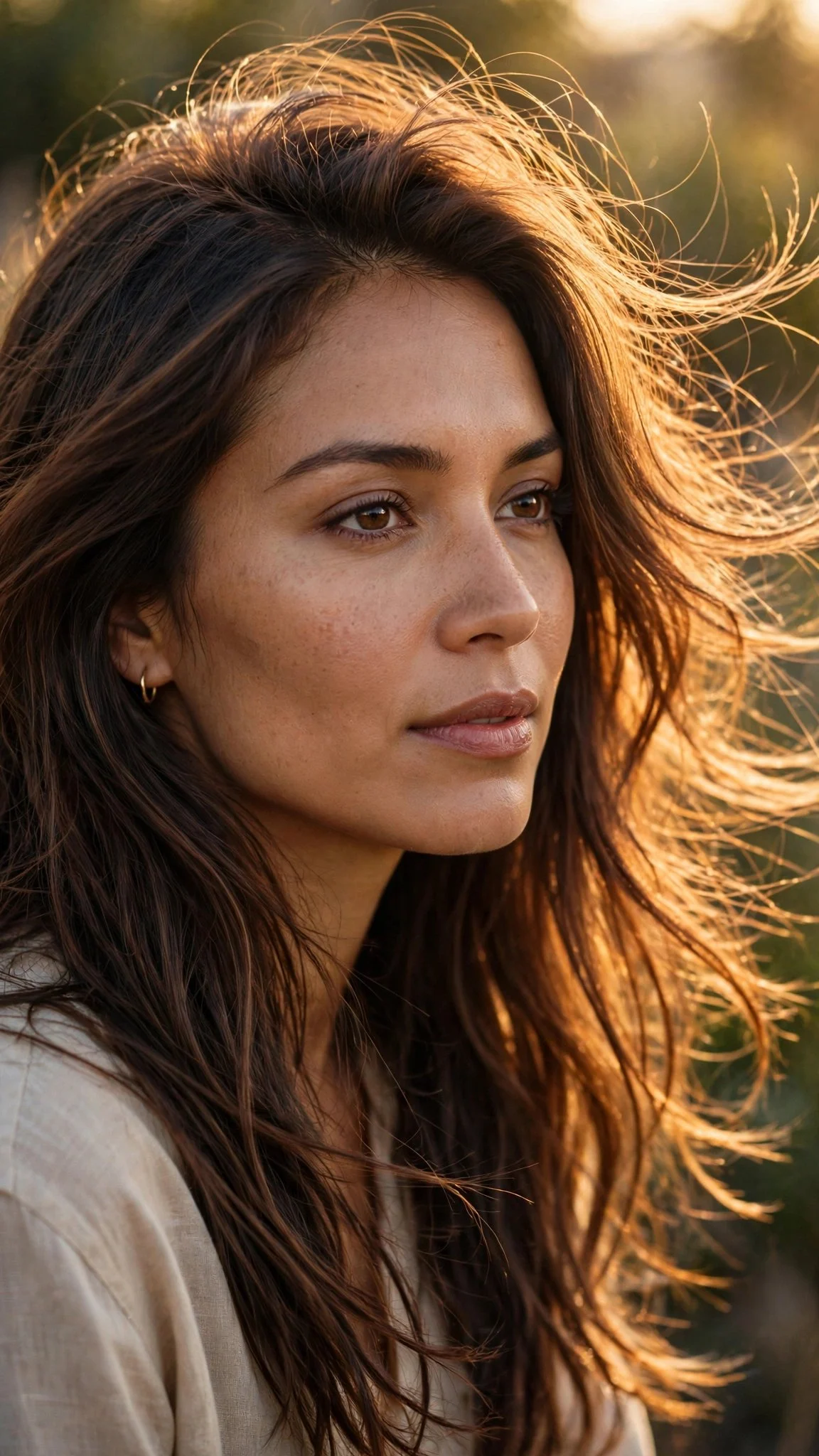
If blunt ends feel too heavy on your fine hair, feathered ends lighten the bottom while layers up top keep the volume. The result is long hair that moves instead of hanging — soft, romantic, and still easy.
Ask your stylist for point-cut ends to soften the perimeter without removing interior density. Tip: a lightweight leave-in conditioner on the ends keeps the feathered pieces from tangling, and a loose braid at night prevents morning knots.
16. The Graduated Bob
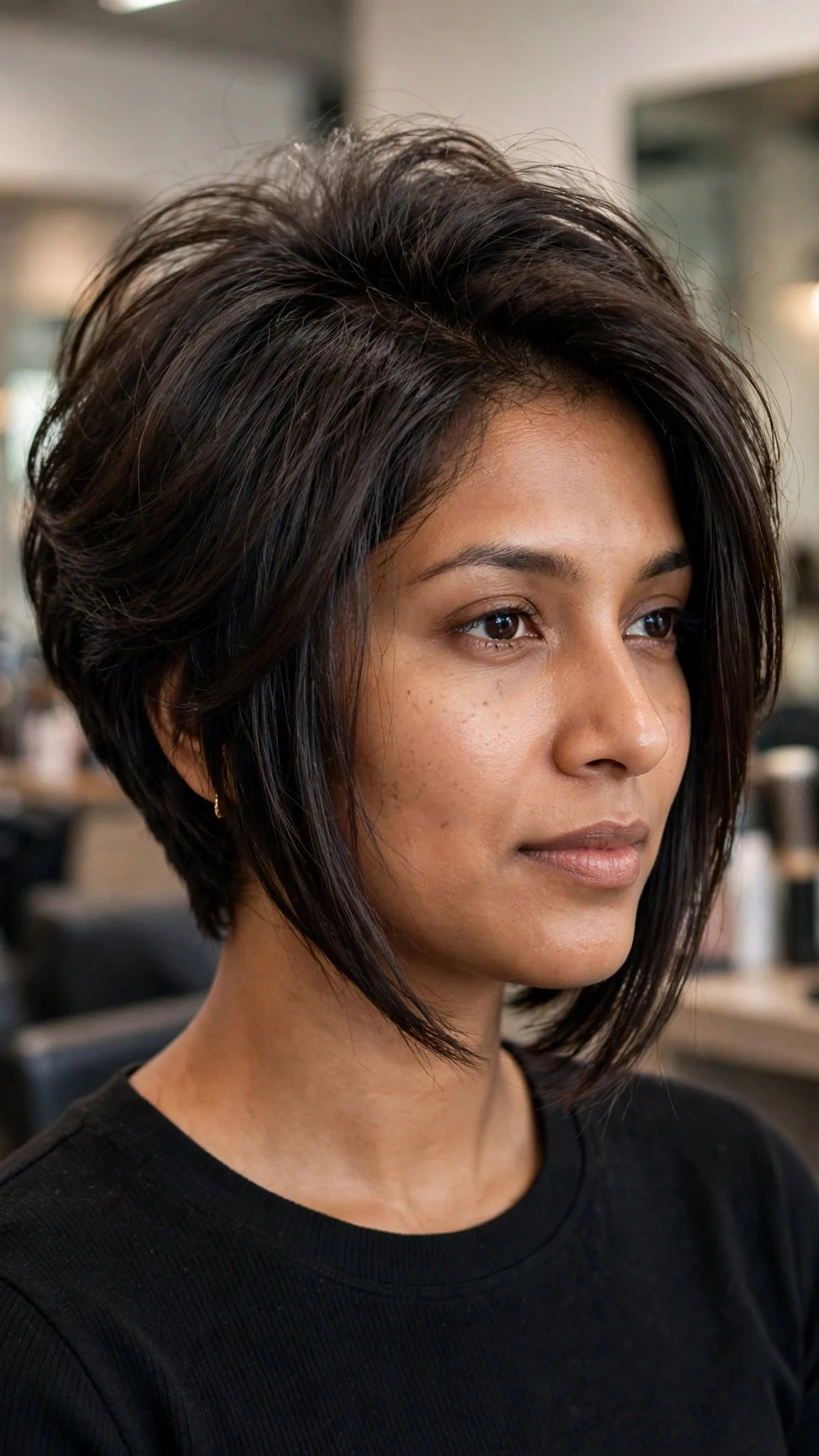
Shorter at the back, longer at the front — the graduated bob builds volume at the crown where fine hair needs it most. The angled shape looks intentional and chic, and it holds its style with almost no effort.
Ask your stylist for a stacked back with longer front pieces, cut to sit just under the chin. Tip: blow-dry the back with a round brush lifting upward for five minutes to set the graduation. It keeps its shape for weeks between cuts.
17. Chin-Length Bob With Side Part
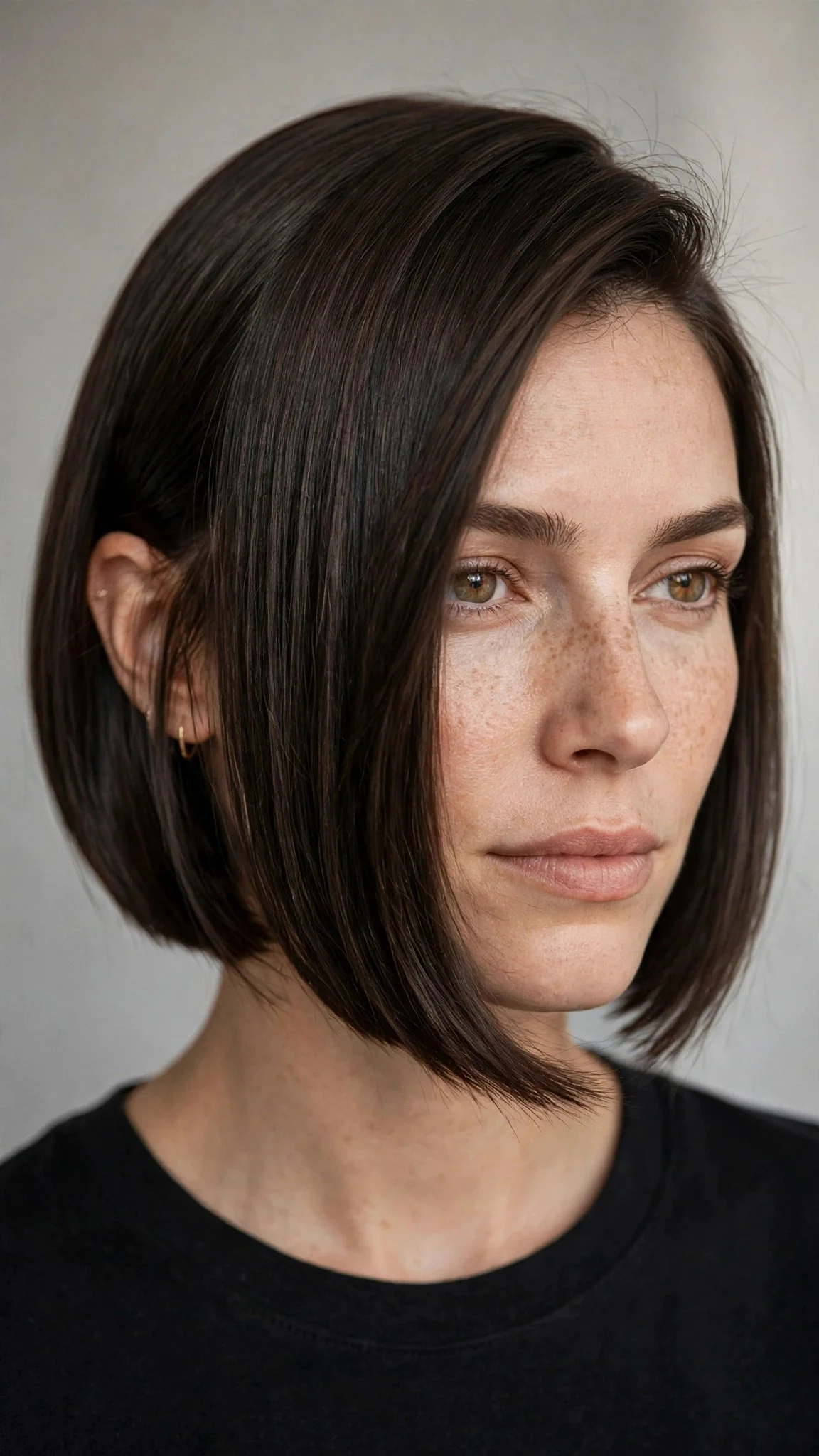
A chin-length blunt bob worn with a deep side part is volume on demand. The asymmetry creates lift at the roots and the blunt ends keep everything looking thick. It is a classic for a reason — it simply works.
Ask your stylist for a blunt chin-length bob and have the part set deep on one side. Tip: clip the part in place while the hair cools after washing to train it. A smoothing serum keeps the longer side sleek and the look polished.
18. The Grow-Out Friendly Trim
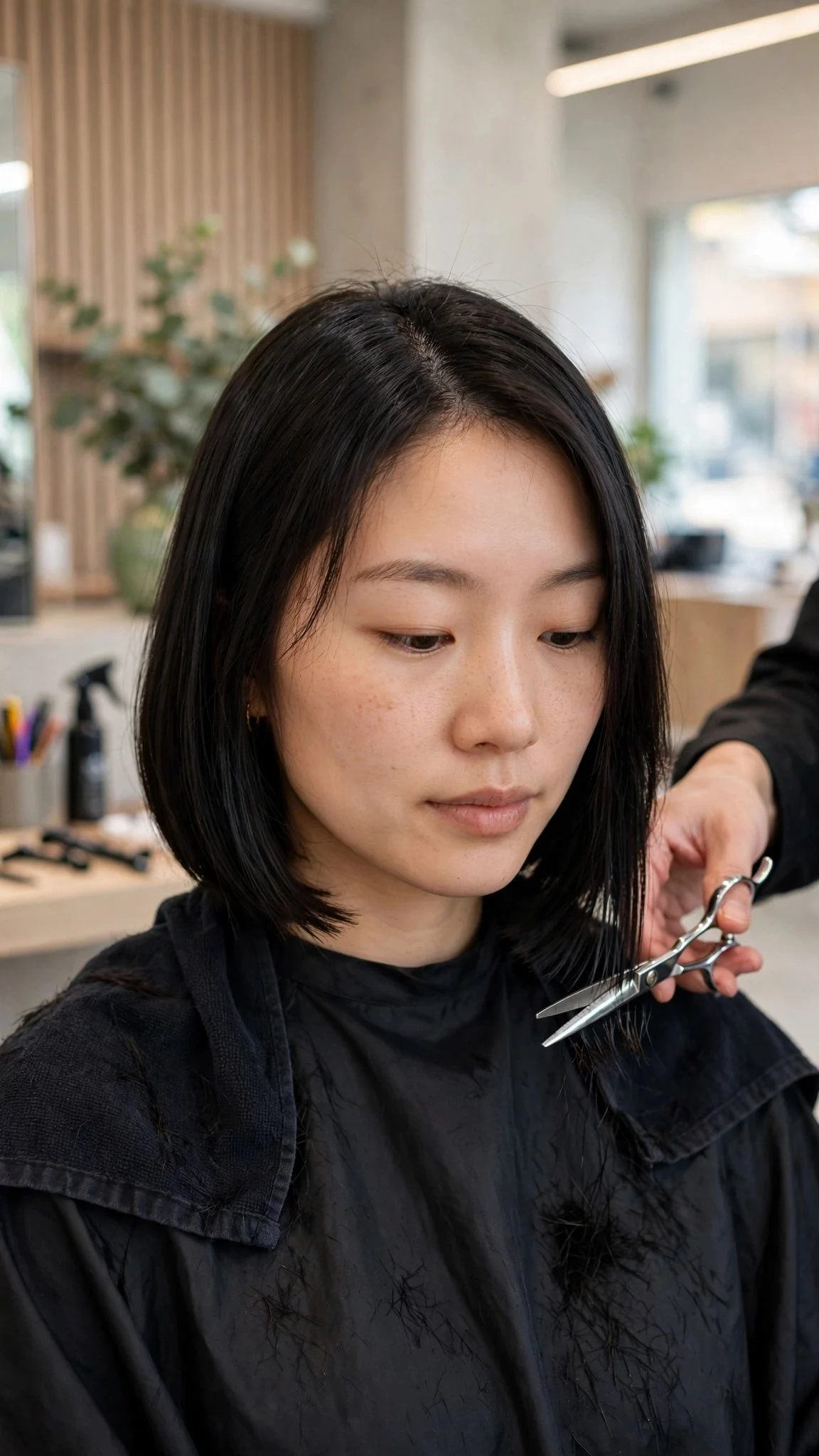
This is not a dramatic cut — it is a maintenance strategy: a shape-up that keeps your ends thick and your layers soft so the cut looks good for months. Regular dusting prevents the thin, wispy ends that make fine hair look thinner.
Ask your stylist for a micro-trim every 8–10 weeks that preserves the shape rather than restyling it. Tip: healthy ends look thicker than damaged ones, so a bond-building treatment monthly and silk pillowcases do more than you would expect.
FAQs
What is the best low maintenance haircut for fine hair?
A blunt bob or blunt lob is the top pick because one-length ends make fine hair look thick with zero layering to maintain. They air-dry into a clean shape, grow out gracefully, and need only a trim every 8–10 weeks to stay sharp.
Should fine hair have layers?
It depends. Long, subtle layers can add movement without losing density, but short choppy layers can make fine hair look thinner. If you love layers, ask for invisible or interior layering that adds texture while keeping the ends full.
How long should fine hair be for low maintenance?
Chin to collarbone length is the sweet spot — short enough for natural volume, long enough to tie back. Very long fine hair tends to look stringy at the ends, while very short cuts need more frequent trims to hold their shape.
Can fine hair be washed less often with the right cut?
Yes. Blunt cuts and shorter styles distribute oil less visibly than long layered cuts. Dry shampoo at the roots extends most of these cuts to 2–3 days between washes, and texture-building products double as oil absorbers.
Do bangs work on fine hair?
Wispy, curtain, or Birkin-style bangs work beautifully on fine hair because they are meant to be light and piecey. Avoid heavy blunt bangs, which can take too much density from the rest of the hair and go flat quickly.
How often should fine hair be trimmed?
Every 8–12 weeks for most of these cuts. Fine hair shows split ends faster, and thin ends make the whole head look thinner. Regular micro-trims keep the ends thick, which is the single biggest factor in making fine hair look full.
Wrap Up
Fine hair does not need more effort — it needs a smarter cut. A blunt baseline, a thoughtful length, and layers only where they help will give you hair that looks fuller with less work than you are doing now.
Pick the cut that matches your routine: air-dry devotees go for the waves cut or shaggy lob, polish lovers go blunt bob. Show your stylist the photo, and enjoy the extra ten minutes every morning.
I’m Marie, the founder and editor of Vivenglow.com. I share practical hairstyle, fashion, beauty, and lifestyle ideas, with helpful details that make it easier to choose, style, and recreate the looks you love.
Sarah Mark
- Content about haircuts, styles, ideas, and trends.
- Keeping it real and easy to follow.
- Helping you find a look.



The Conversation
Your voice matters. Discussions are moderated for civility.