20 Textured Pixie Cuts for Fine Hair That Add Effortless Volume
By 
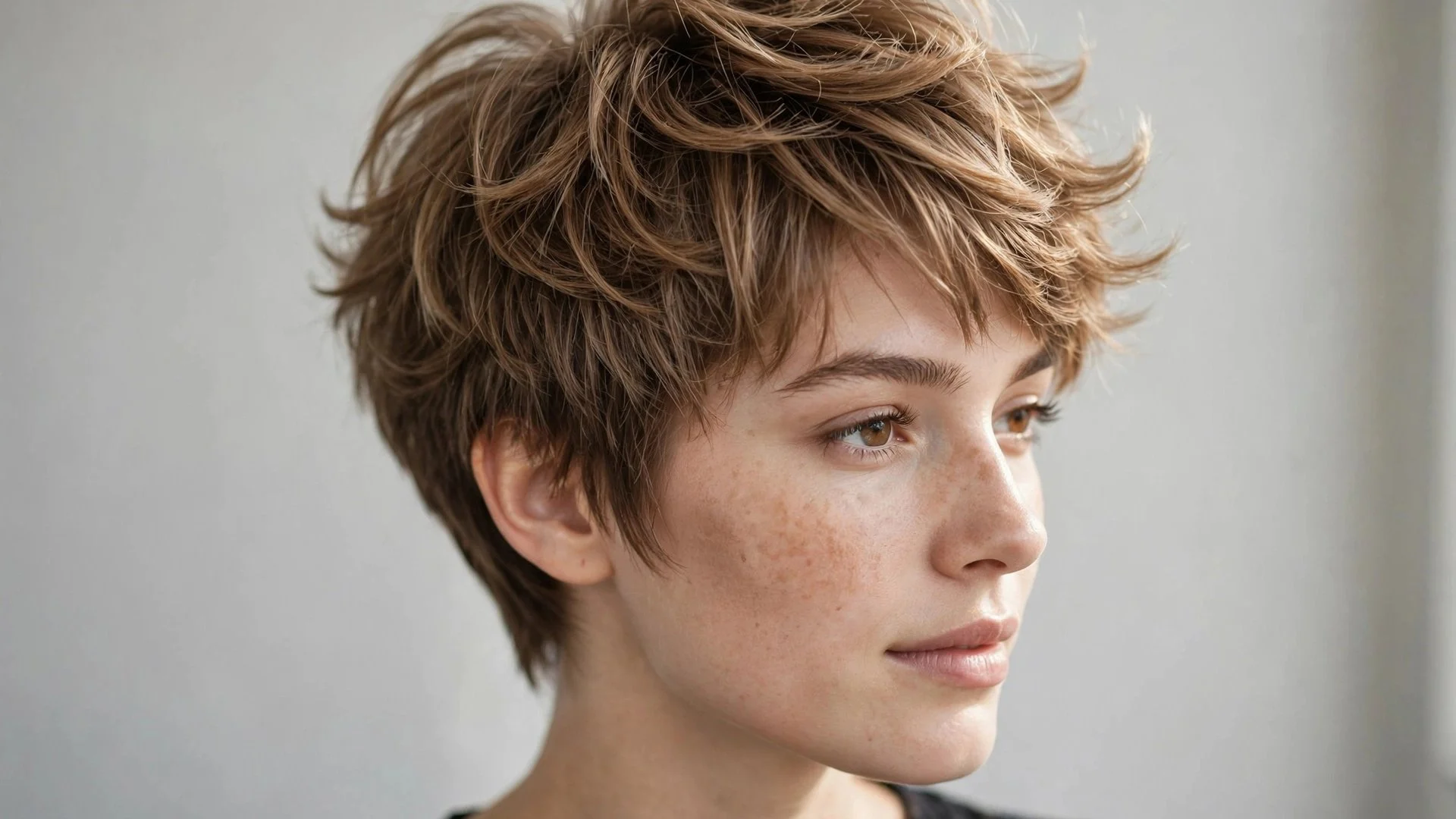
What I like about a textured pixie is how it turns fine hair’s biggest weakness into its biggest strength. With the right layers and a little piecey texture, short hair looks fuller, lighter, and far more interesting than a blunt, one-length cut ever could.
If your hair is fine and you’ve been nervous about going short, this list is for you. These twenty cuts are all about soft volume, movement, and easy styling — the kind of haircuts that actually look better on day two.
1. The Classic Layered Pixie
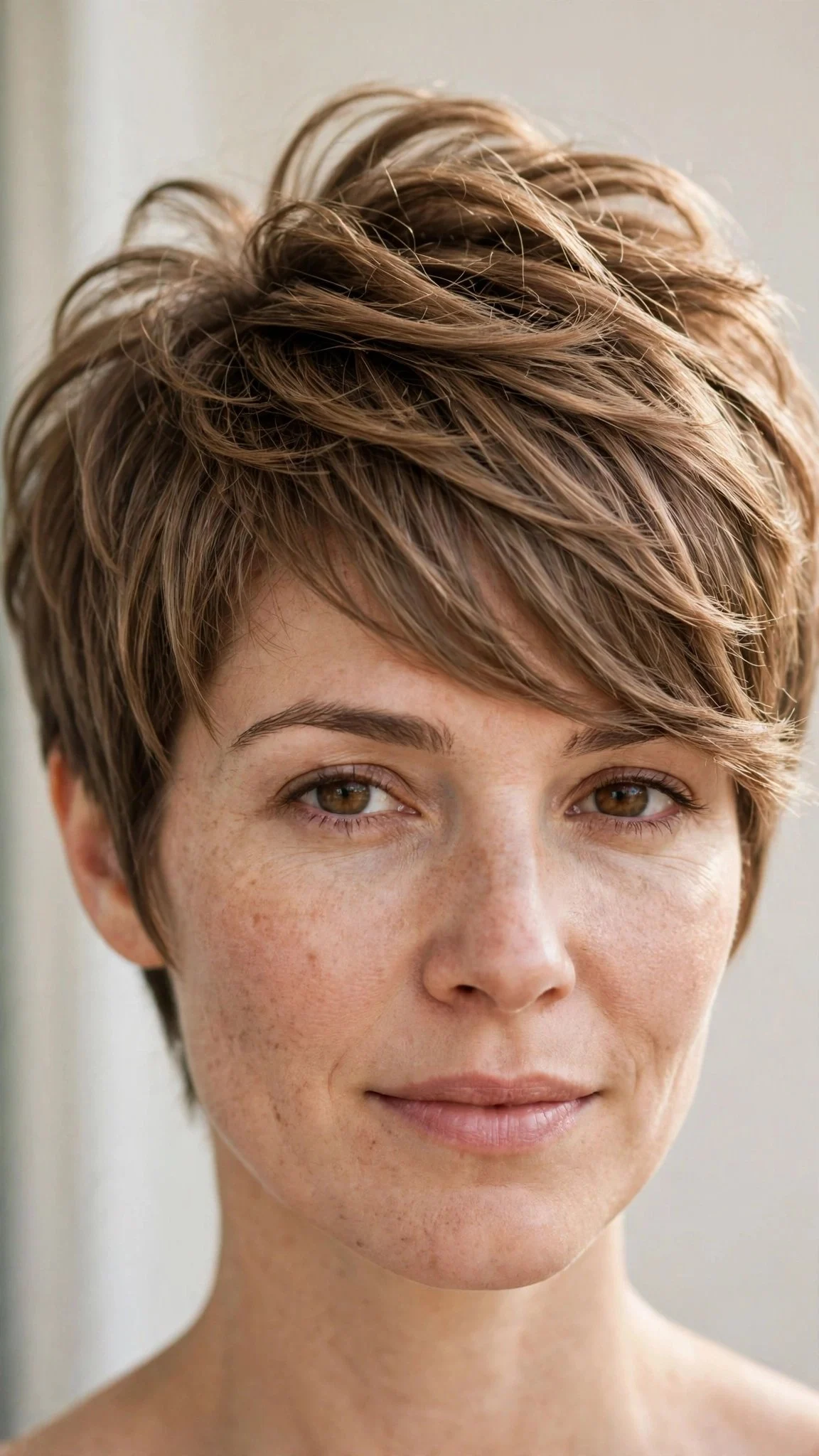
This is the pixie that started it all — short through the back with softly stacked layers that build natural fullness right at the crown. The fringe stays long enough to sweep across the forehead, and the ends are point-cut so everything lands feather-light instead of blunt. It frames the face beautifully and keeps the neckline clean and airy.
Ask your stylist for stacked layers through the crown with point-cut ends rather than a blunt perimeter. To style, work a golf-ball-sized amount of lightweight volumizing mousse through damp hair, flip your head upside down to blow-dry, then tousle the crown with your fingertips for soft, lived-in lift that lasts all day.
2. The Choppy Textured Crop
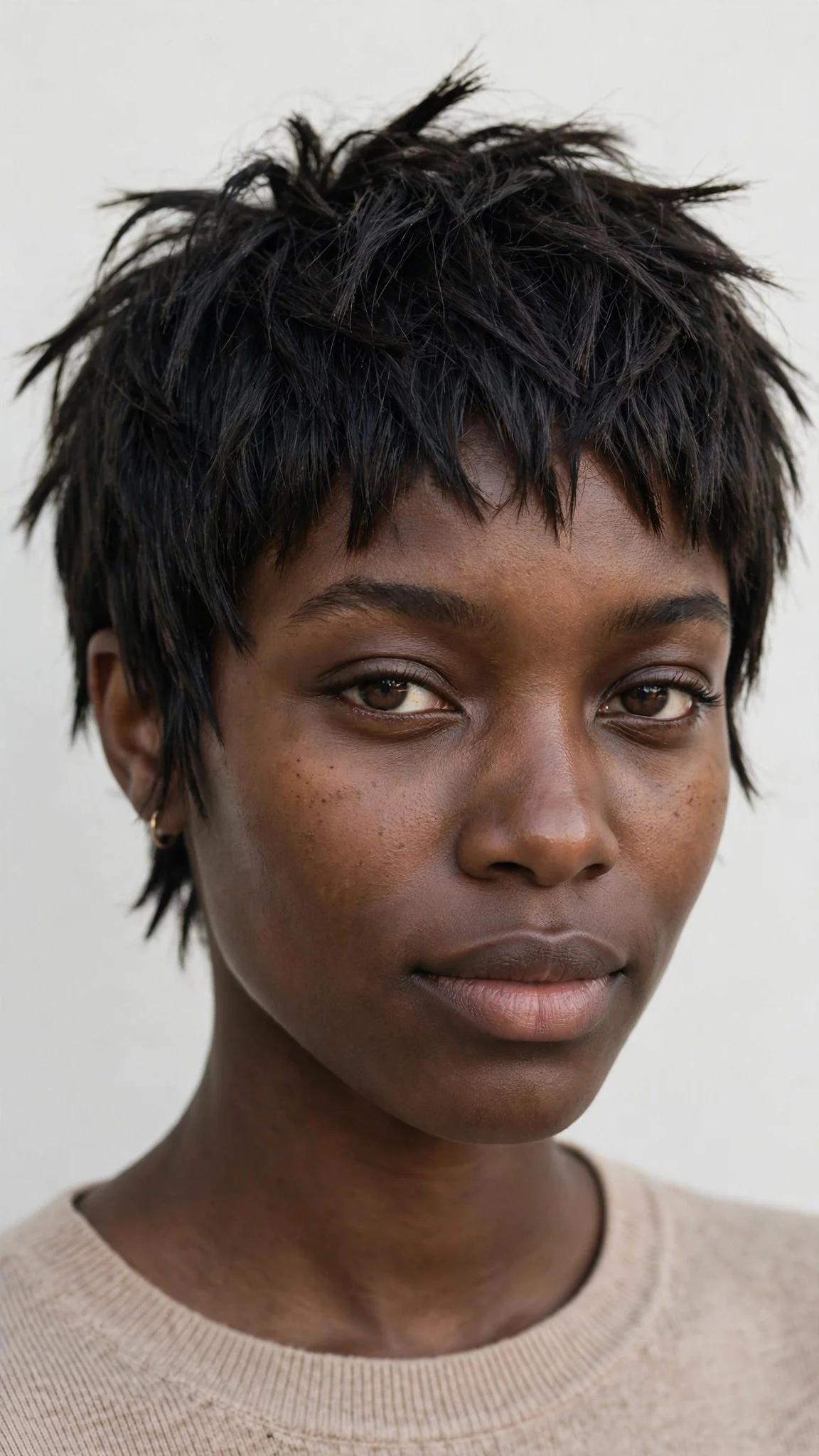
Short, piecey, and full of attitude, the choppy crop is all about irregular, jagged ends that create the illusion of thickness. The layers are cut at different lengths so fine strands overlap and catch the light, which makes the whole cut look denser than it is. It’s the definition of wash-and-go with an edge.
Ask your stylist for choppy, disconnected layers cut with a razor or point-cutting technique. On damp hair, scrunch in a pea-sized amount of texturizing cream, let it air-dry, then pinch a few pieces at the crown with your fingers to separate them. A quick spritz of dry texture spray at the roots adds that perfectly undone finish.
3. Long-Top Pixie with Side-Swept Fringe
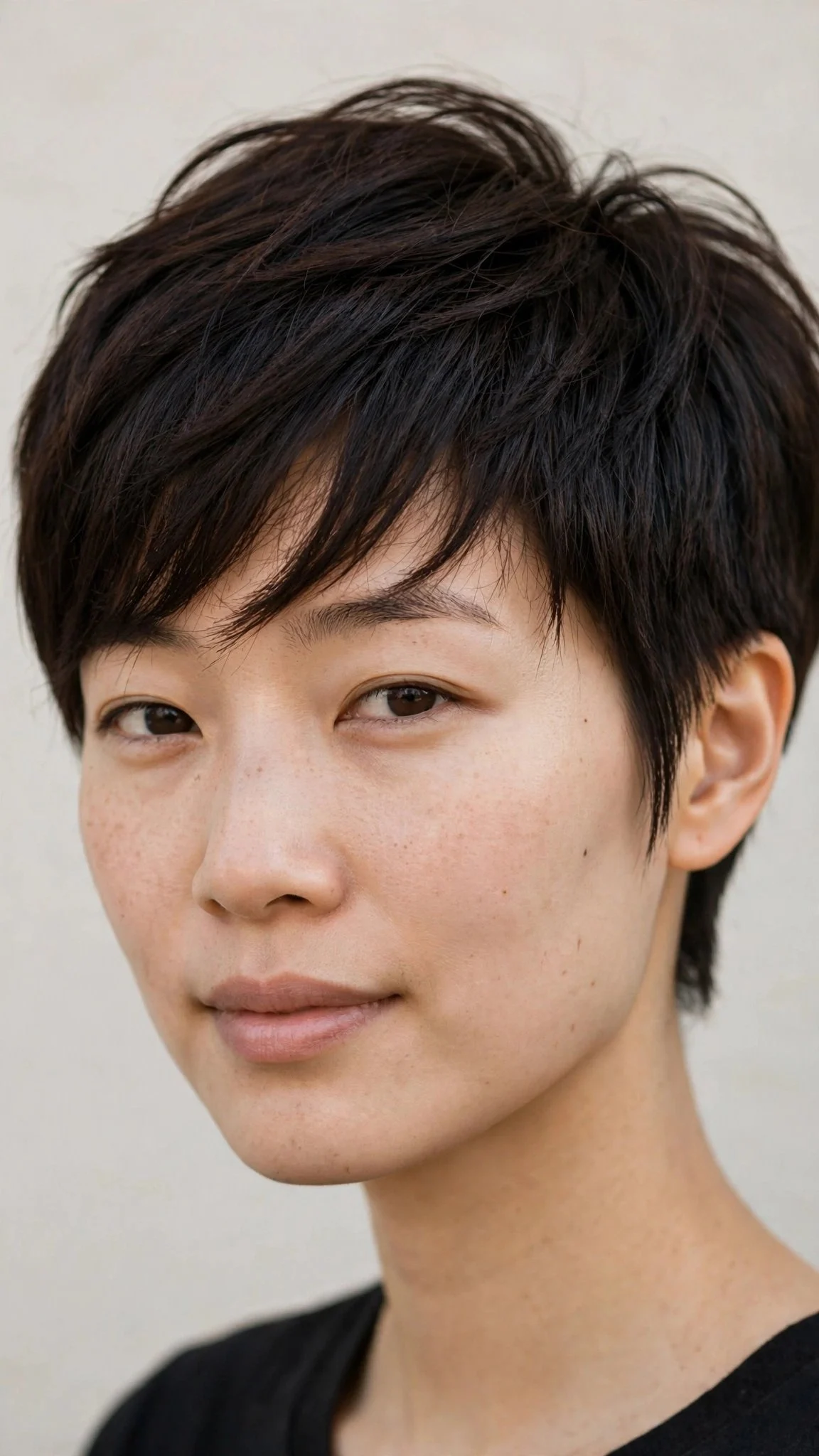
If you’re not ready to lose all your length, this longer pixie keeps serious length on top while the sides and back stay neat and tapered. The side-swept fringe drapes softly across the forehead, which draws the eye diagonally and makes fine hair look instantly thicker. It gives you styling options — smooth it down or push it up for volume.
Ask your stylist to leave two to three inches on top with tapered sides and a fringe that hits just below the brow. Blow-dry the top forward and over to one side using a small round brush, then set the sweep with a light-hold pomade on just the ends. Tucking one side behind the ear adds a polished touch.
4. The Tousled Piecey Pixie
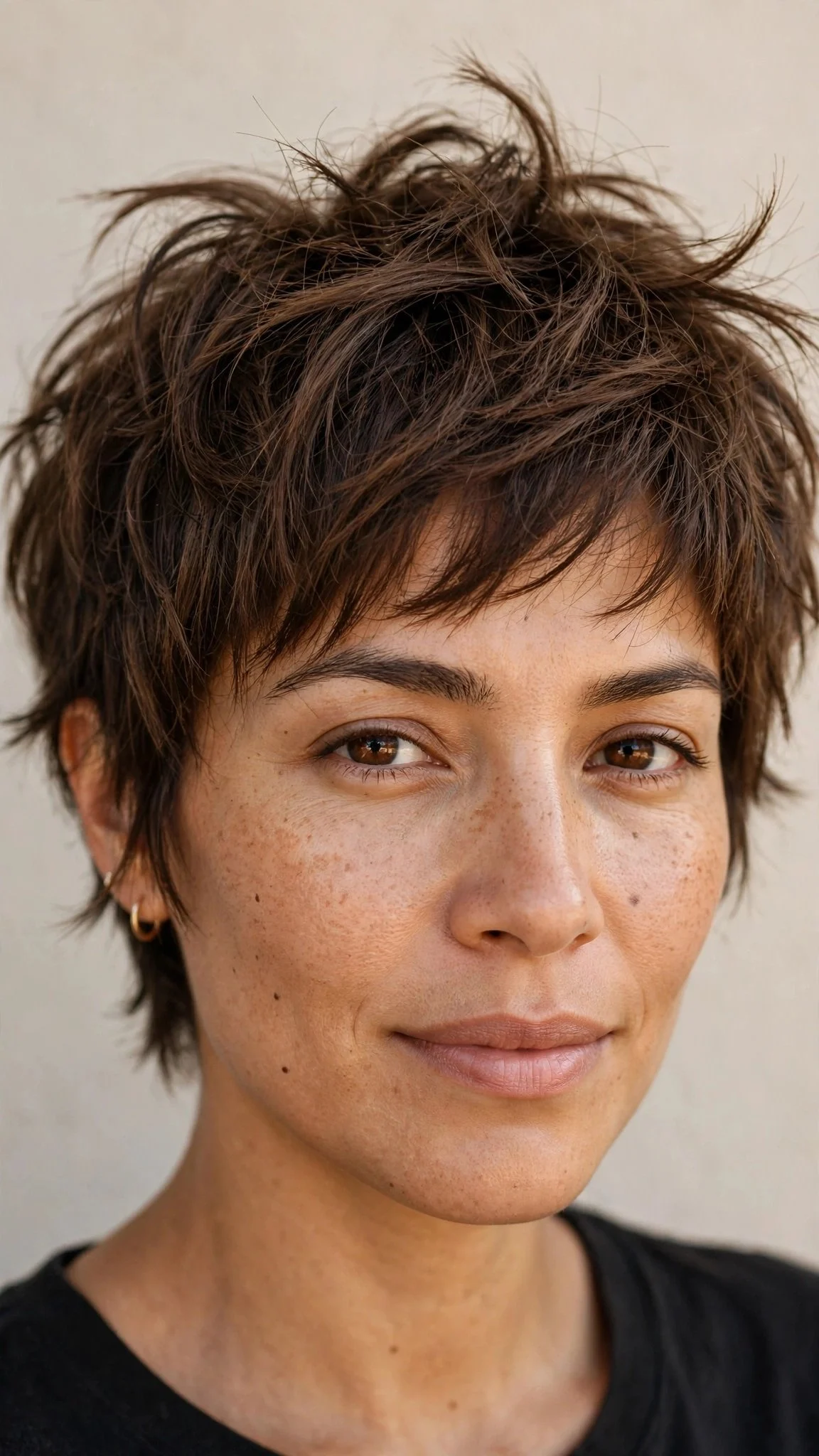
Think bedhead in the best possible way. This pixie is cut with lots of short, separated pieces that fall in different directions, so the hair looks touchably soft instead of flat. The texture does all the heavy lifting — fine hair that would normally lie limp suddenly has movement, separation, and a little bit of rock-and-roll charm.
Ask your stylist for lots of internal texture and piecey, separated ends rather than a solid shape. The secret weapon is a texturizing powder: sprinkle a tiny amount at the roots, massage it in, and watch flat hair gain instant grip and lift. Finish by twisting a few random pieces with your fingers for definition.
5. Pixie with a Micro Fringe
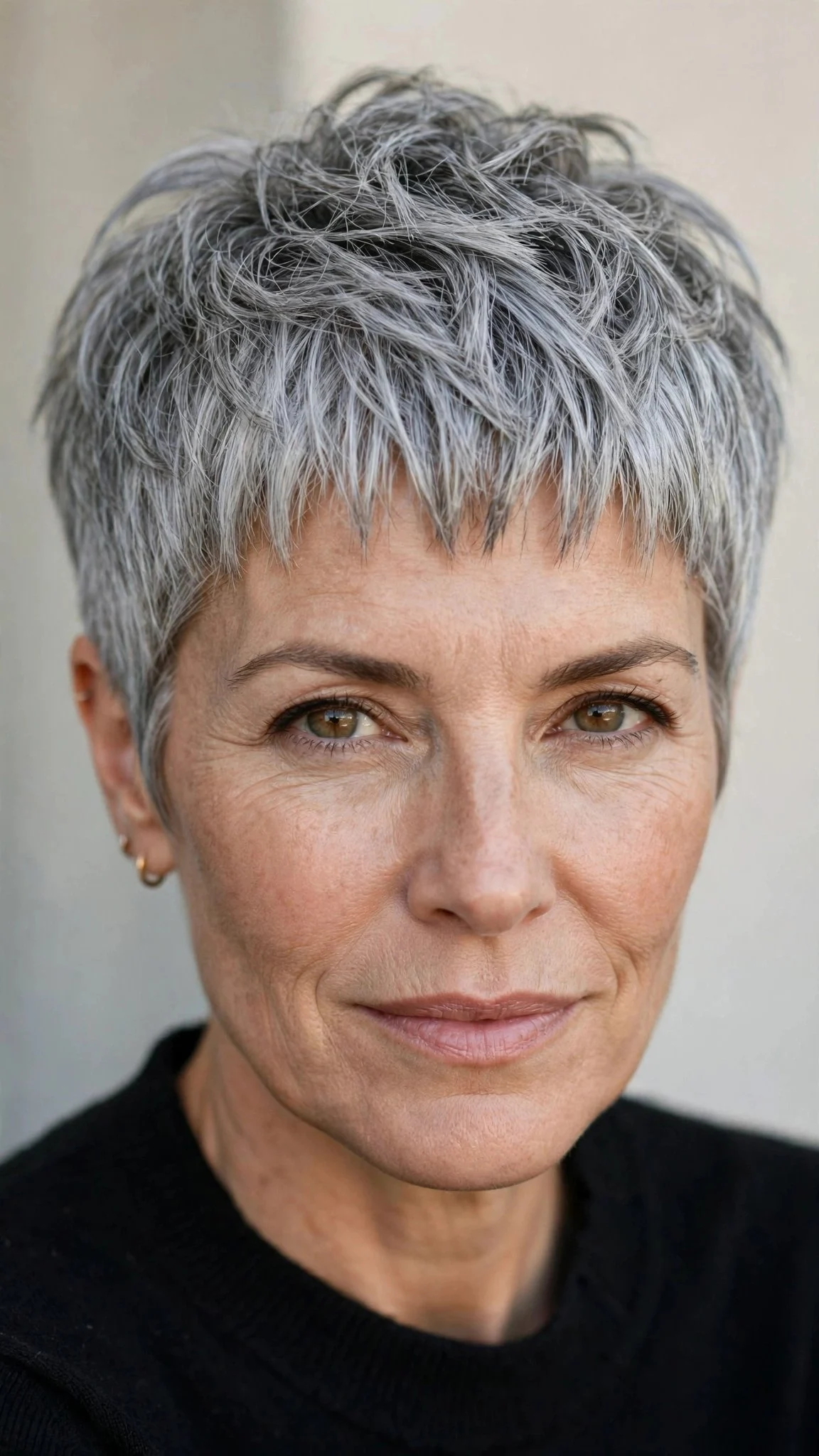
A micro fringe — cut well above the brows — pairs beautifully with a textured pixie because it opens up the face and shifts all the attention to your eyes and cheekbones. The rest of the cut stays soft and layered, so the bold little fringe reads as fashion-forward rather than severe. It’s a great trick for making fine hair look deliberate and styled.
Ask your stylist for a micro fringe cut with soft, slightly uneven edges so it grows out gracefully. Keep the fringe piecey by working a tiny dab of matte paste through it after styling. If your forehead is on the shorter side, ask them to keep the fringe a touch longer at the temples to keep everything balanced.
6. The Shaggy Feathered Pixie
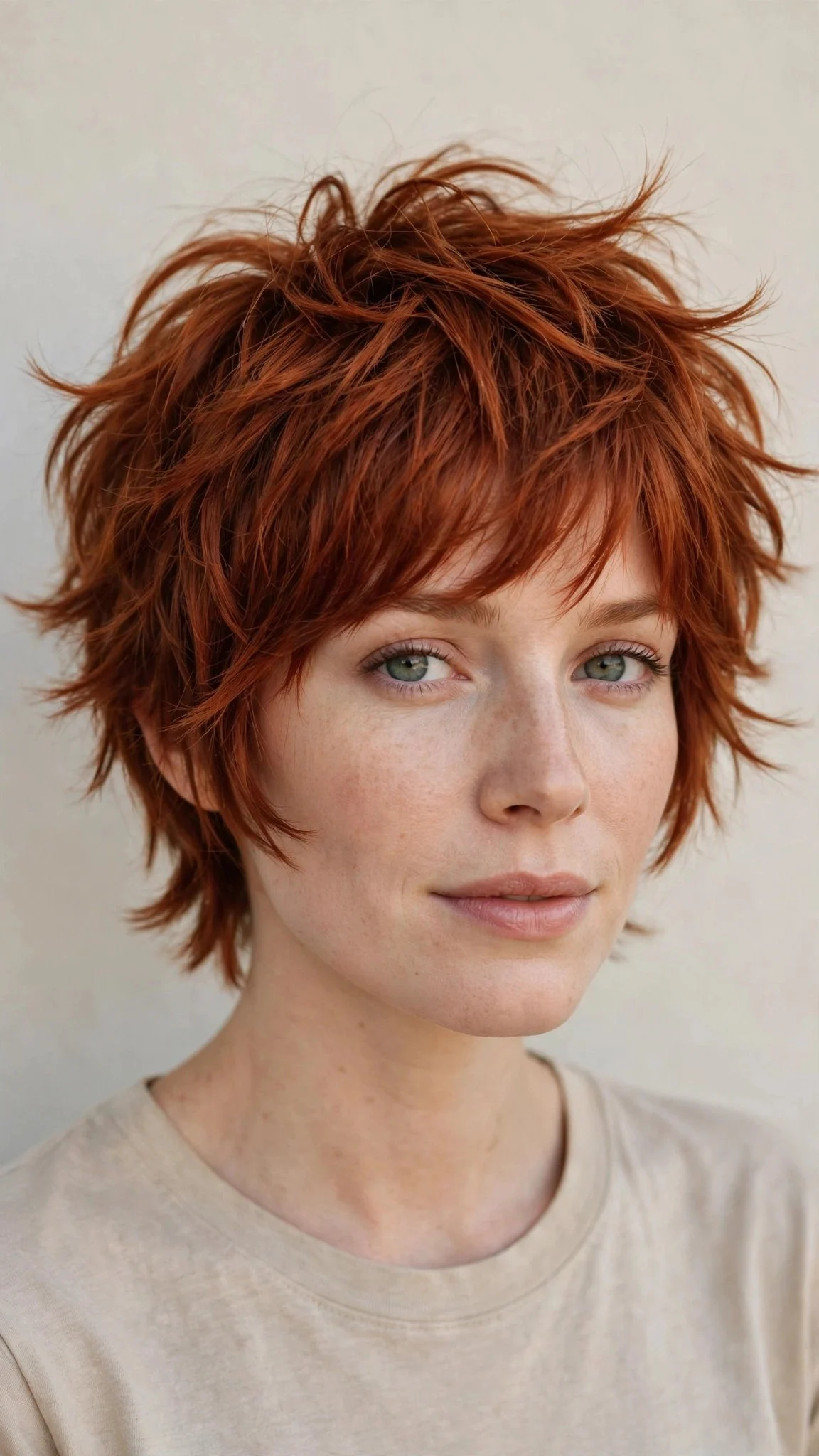
The shag meets the pixie in this soft, feathered cut that’s made for fine hair. Wispy layers are cut throughout so the ends flick out in different directions, creating airy movement that disguises thin spots. It has a relaxed, seventies-inspired feel but reads totally modern, especially with a little natural texture at the crown.
Ask your stylist for feathered, face-framing layers with plenty of softness around the perimeter. Flip your head over and rough-dry with a volumizing spray at the roots, then use a flat iron to flick a few pieces outward for that feathered effect. A light mist of flexible-hold hairspray keeps the layers floating.
7. Undercut Pixie with a Textured Crown
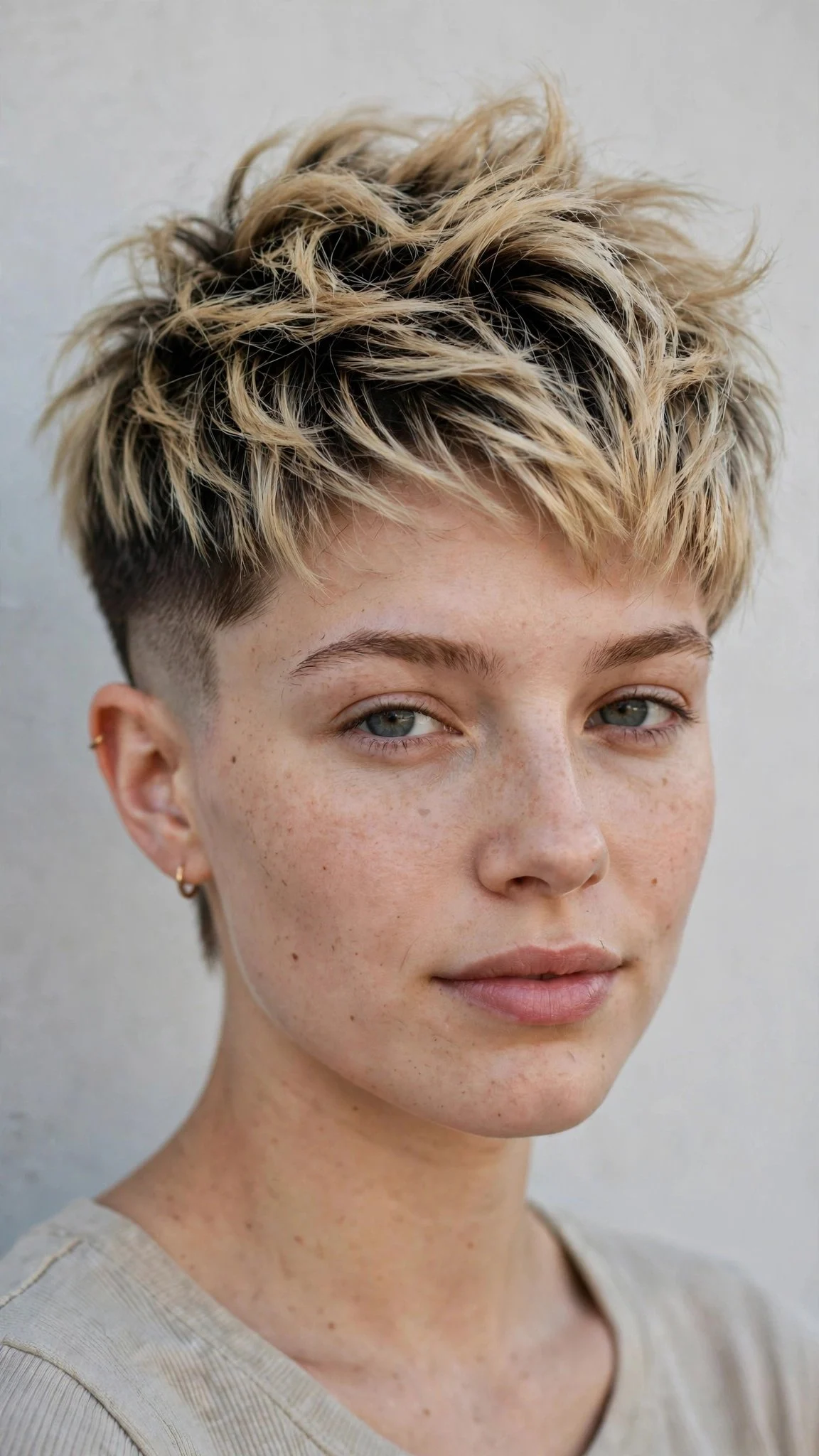
Here’s the magic trick for fine hair: remove bulk underneath with a soft undercut, and leave all the length and texture on top. The contrast makes the crown look dramatically thicker because there’s no thin, wispy underlayer dragging it down. It’s bold but surprisingly wearable, and it grows out with zero awkward phases.
Ask your stylist for a soft, disconnected undercut at the nape and sides with two to three inches of textured length on top. Style by adding root-lifting mousse to the crown and blow-drying upward and back with your fingers. The undercut means less hair to fight with, so your morning routine gets noticeably shorter.
8. The Curly Textured Pixie
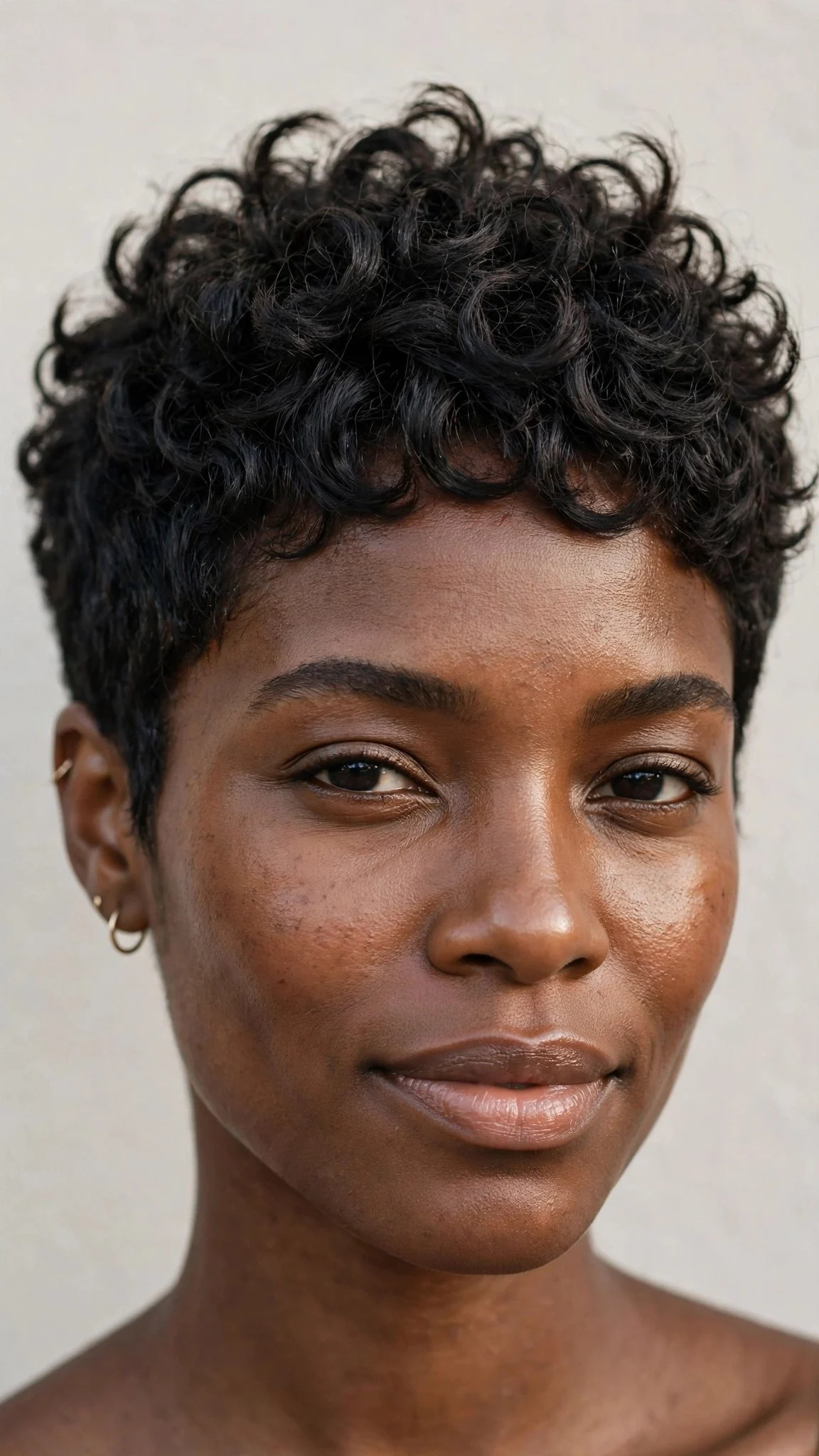
Fine curls and a pixie are a match made in heaven. Short layers let each curl spring up instead of being weighed down, so fine curly hair suddenly looks full and bouncy. The texture is built right into the cut — every curl is its own little volume builder — and the shape grows out beautifully into a curly crop.
Ask your stylist for a dry cut that follows your natural curl pattern, keeping length where your curls are tightest. Scrunch a lightweight curl cream into soaking-wet hair and diffuse on low heat, or air-dry and fluff the roots once dry. Skip heavy oils, which pull fine curls flat; a foam or mousse gives lift without the weight.
9. The Bixie: Pixie-Bob Hybrid
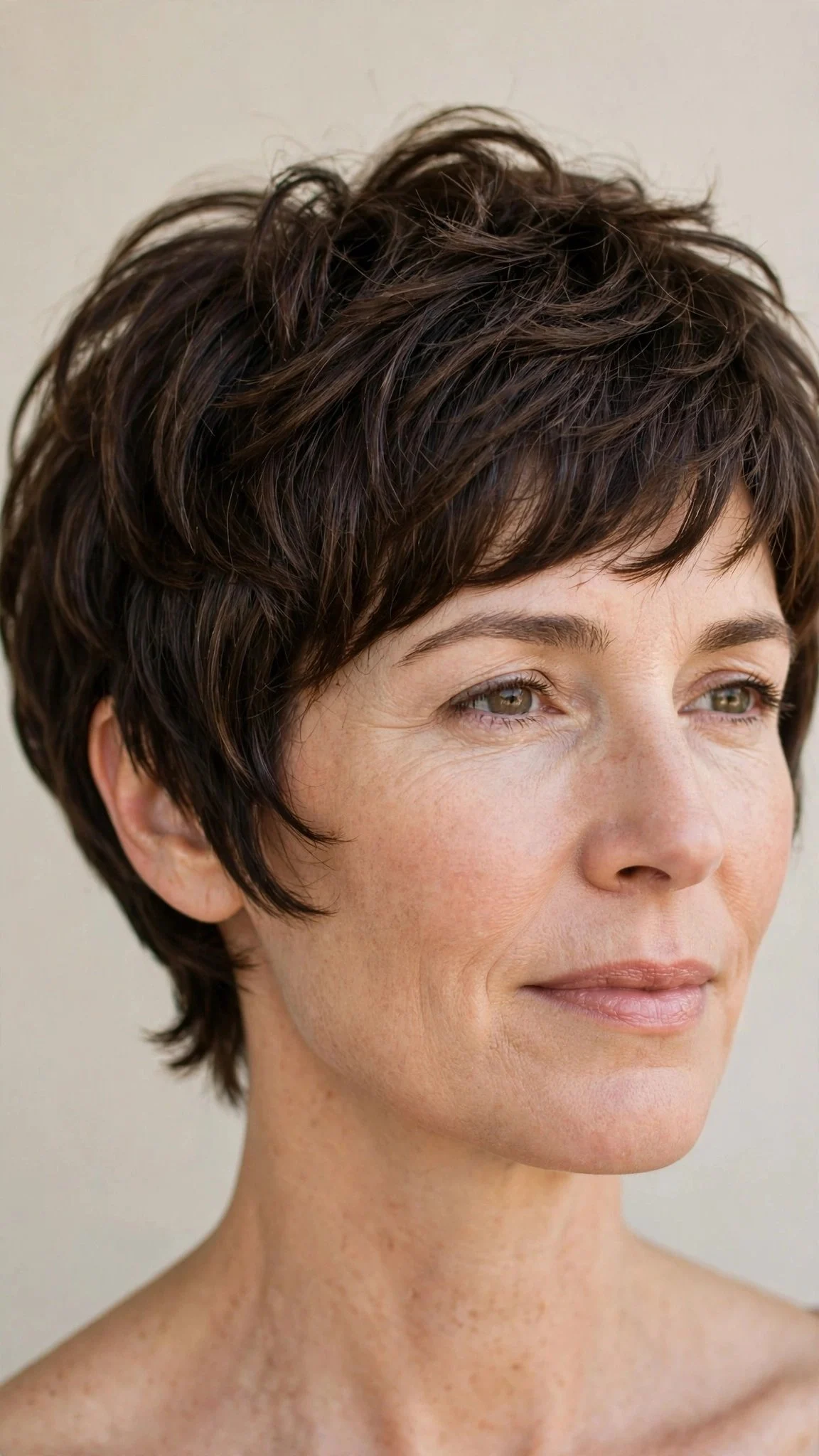
Can’t decide between a pixie and a bob? The bixie gives you both. It’s longer than a classic pixie — grazing the nape and ears — with the soft, rounded shape of a bob and the piecey texture of a pixie. For fine hair it’s ideal, because the extra length adds styling versatility while the texture keeps it from falling flat.
Ask your stylist for a bixie with textured ends and soft layers through the crown, keeping the perimeter just above the shoulders at its longest. Air-dry with a wave-enhancing spray scrunched in, or smooth it with a round brush for polish. It’s the perfect grow-out cut if you’re nervous about going very short.
10. Tapered Pixie with Crown Volume
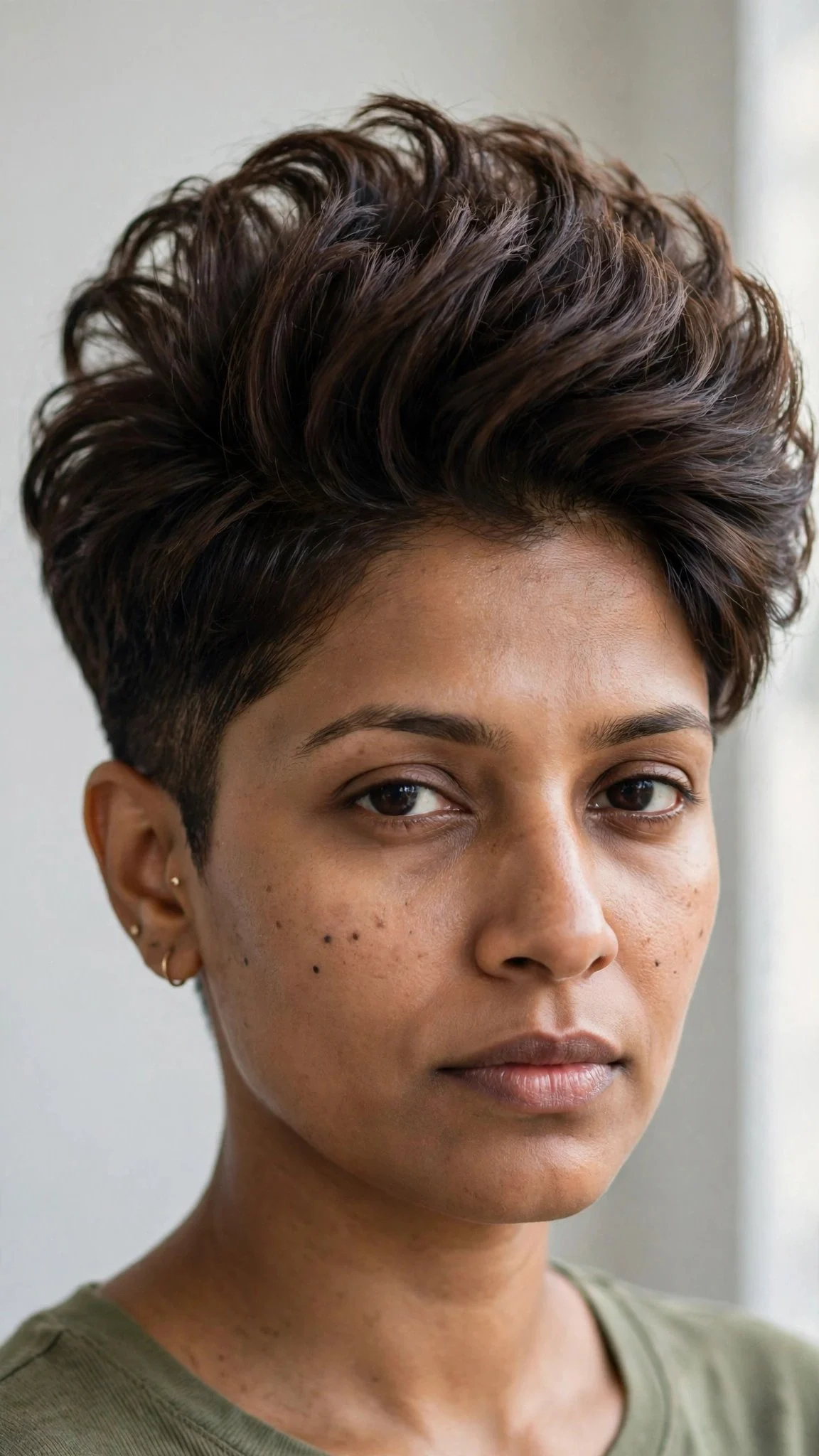
This cut is engineered for lift: the sides and nape are tapered close while the crown is left long and layered, so all the visual weight sits exactly where fine hair needs it most. The result is a beautifully rounded silhouette with serious height on top — no teasing required. It looks polished from every angle and photographs incredibly well.
Ask your stylist for a clean taper through the sides and nape with at least two inches of layered length on top. Apply volumizing mousse to the crown only, then blow-dry upward with a small round brush, overdirecting each section forward for maximum lift. A cool shot from the dryer locks the volume in place for hours.
11. The Asymmetrical Textured Pixie
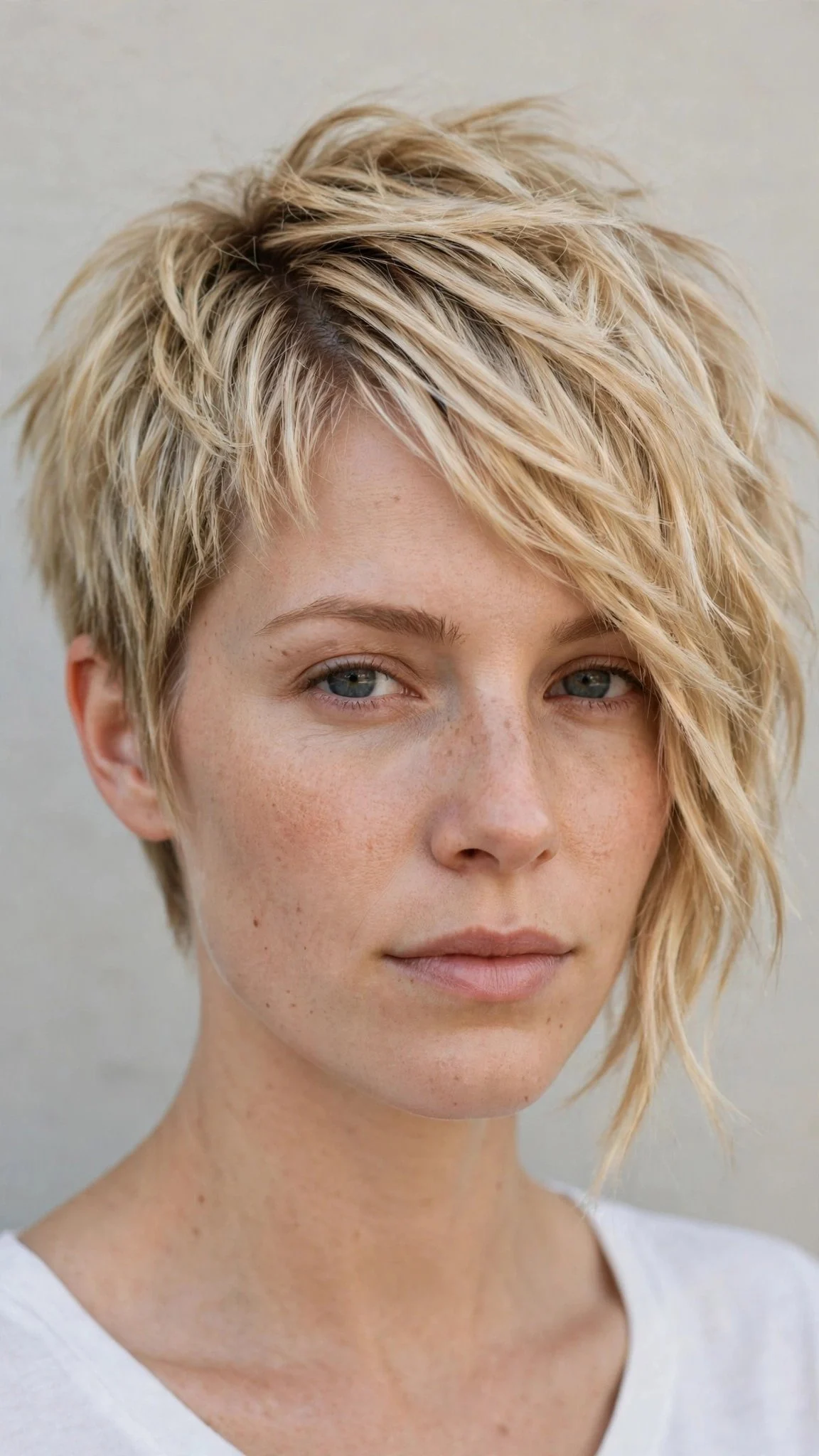
One side longer than the other might sound edgy, but on fine hair it’s pure strategy. The diagonal line of an asymmetrical pixie draws the eye across the head instead of down, which makes hair look denser and more dynamic. The longer side can tuck behind the ear or sweep forward, giving you two looks in one cut.
Ask your stylist for an asymmetry of about one to two inches, with texture cut into both sides so the difference looks intentional. Style the longer side with a flat iron bend for a sleek finish, and keep the shorter side piecey with a dab of texture cream. A deep side part sells the whole look.
12. Pixie with Wispy Face-Framing Strands
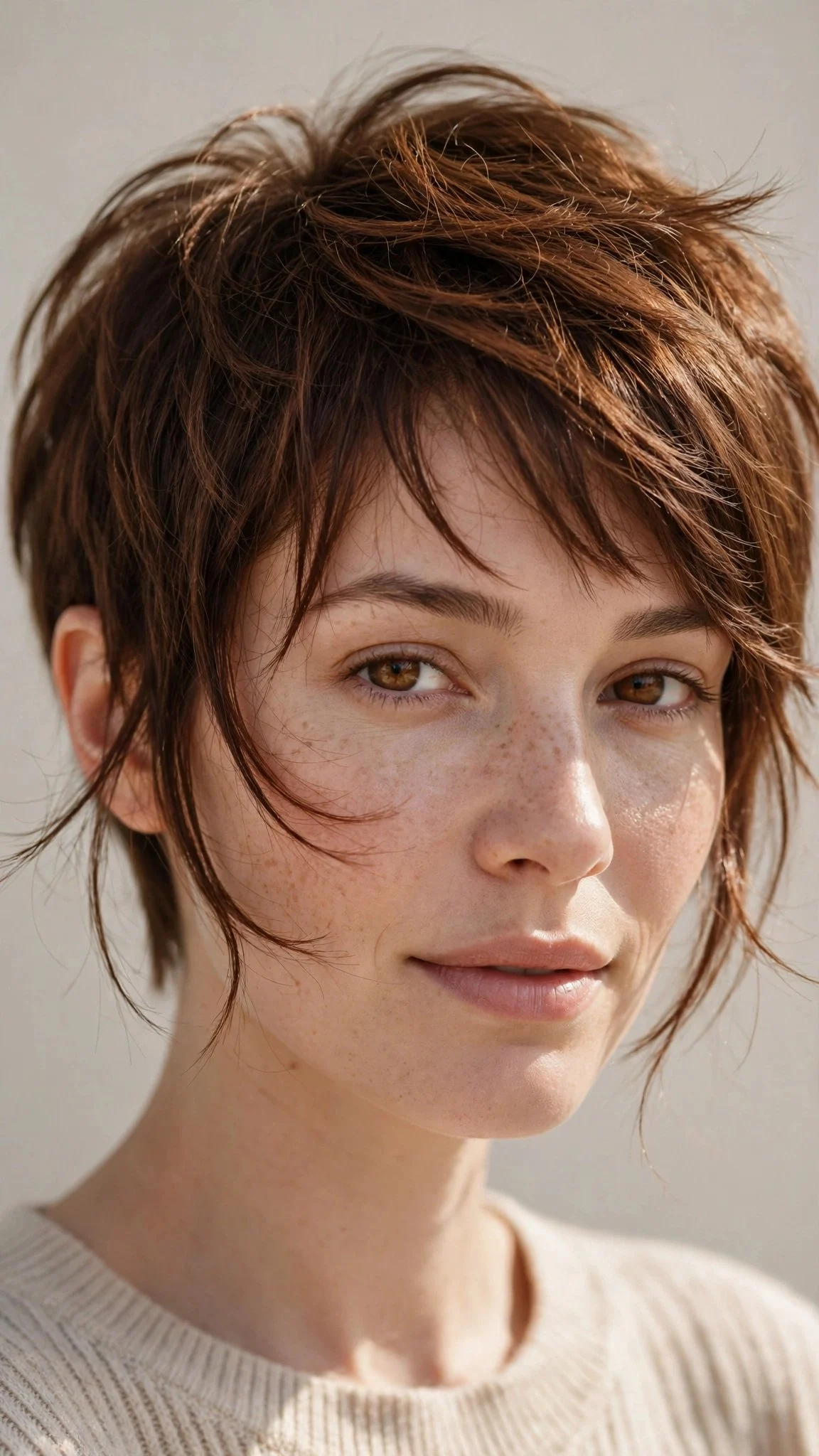
Leaving a few longer, wispy pieces around the face softens a pixie instantly and makes fine hair look more abundant. These delicate strands break up the perimeter so the cut doesn’t read as severe, and they move beautifully when you turn your head. It’s a feminine, romantic take on short hair that still feels fresh and modern.
Ask your stylist to leave soft, face-framing pieces around the temples and in front of the ears, cut with a razor for wispy ends. Curl these strands away from the face with a small curling iron for a pretty flick, or leave them straight for a sleeker vibe. A drop of shine serum on just these pieces keeps them silky without weighing the cut down.
13. The Razor-Cut Airy Pixie
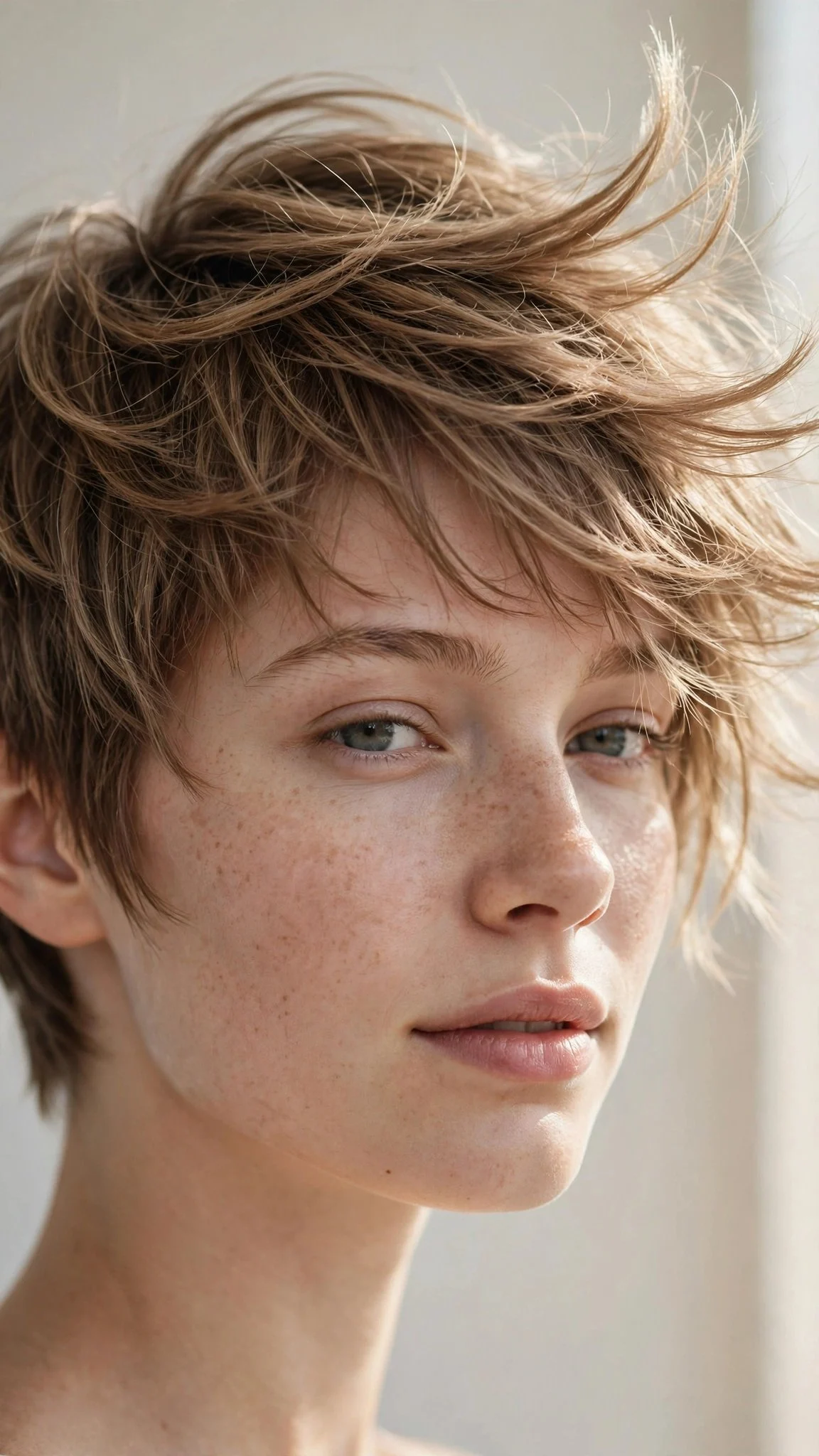
A razor doesn’t just cut hair — it shreds the ends into whisper-thin points that stack on top of each other, creating the airiest, most touchable texture a pixie can have. For fine hair, this is gold: the feathery ends overlap to fake fullness while the cut itself stays light and swingy. It moves like a dream and never looks helmet-like.
Ask your stylist specifically for razor cutting through the interior and ends — not every stylist reaches for the razor, so name it. Style with a salt spray on damp hair and rough-dry for maximum airiness. Because razor cuts can frizz on very fine hair, finish with a pea-sized amount of smoothing cream on the very ends only.
14. Deep Side-Part Textured Pixie
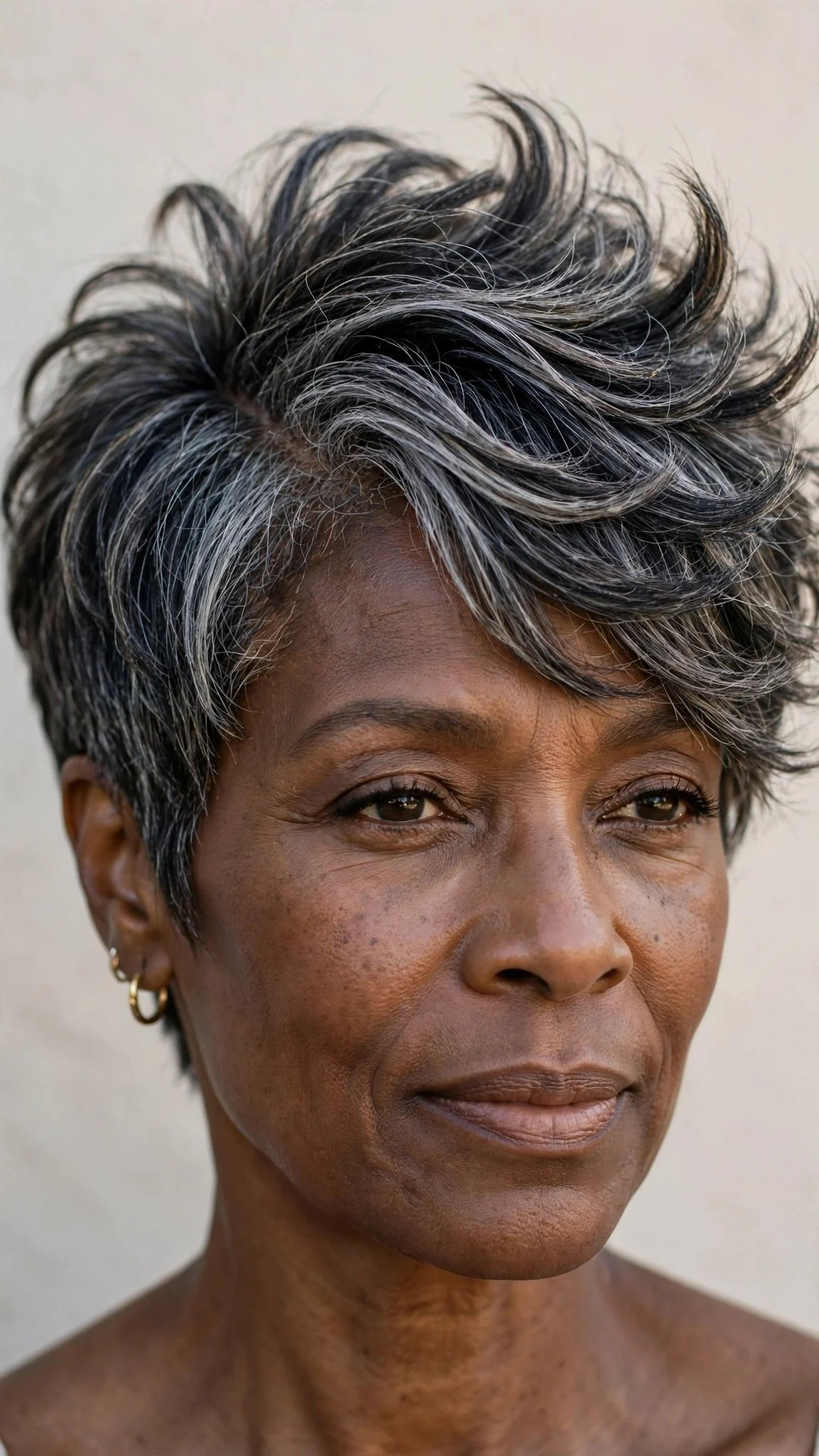
Sometimes the biggest volume trick isn’t the cut at all — it’s the part. Flipping a textured pixie into a deep side part instantly doubles the hair on one side, creating the illusion of serious density. Combined with choppy layers, the deep part gives fine hair a dramatic, voluminous sweep that looks intentional and chic.
Ask your stylist to cut your pixie with a deep side part in mind, keeping extra length on the heavy side. To style, part damp hair deeply to one side, apply root-lift spray at the part, and blow-dry the heavy side up and over. Train the part by clipping it in place for ten minutes while you do your makeup.
15. The Grown-Out Piecey Pixie
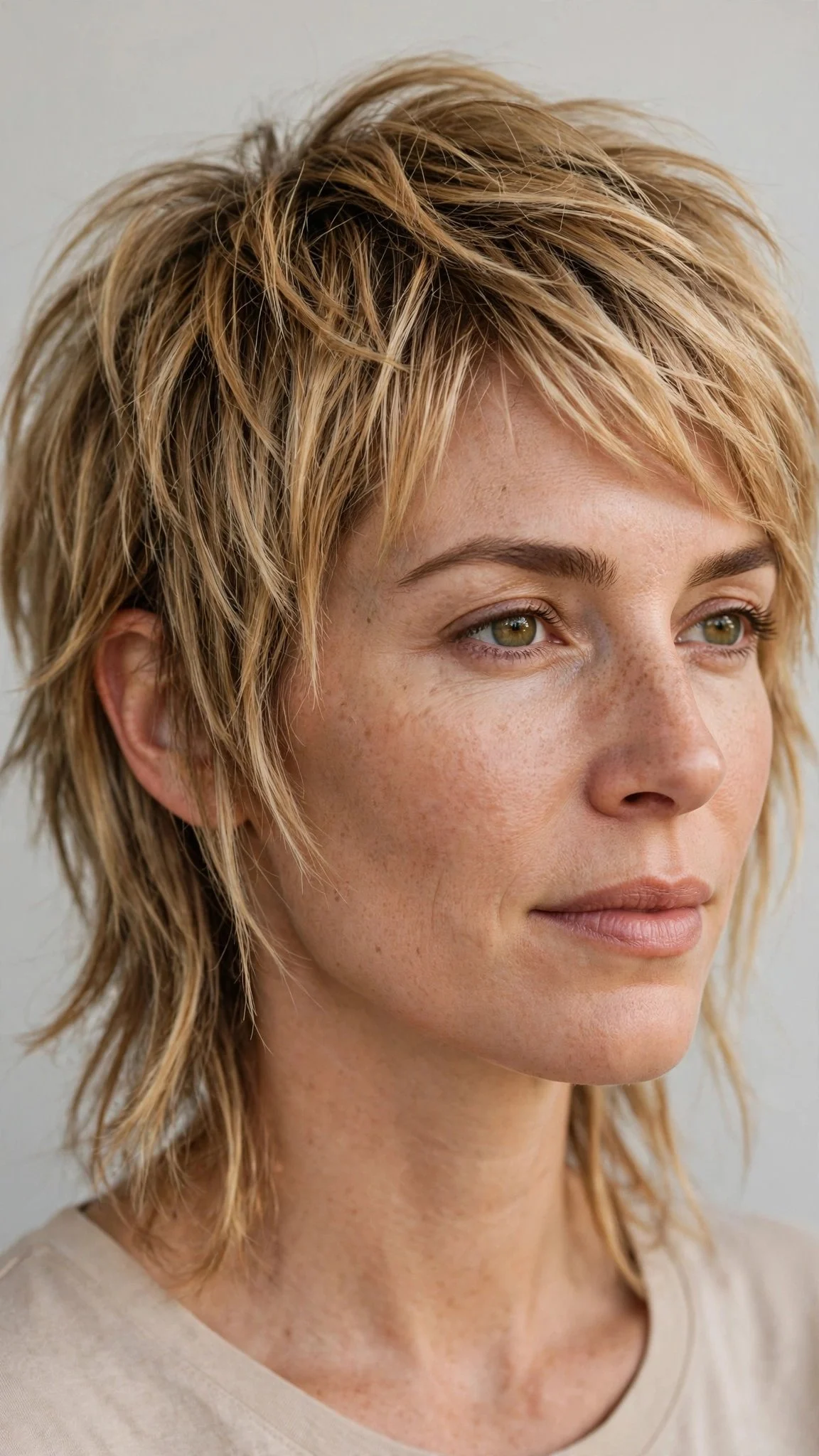
This is the pixie for anyone who loves short hair but hates salon visits. Cut with long, piecey layers that are designed to grow out gracefully, it looks intentionally undone at every stage — from fresh cut to three months later. The shaggy texture means fine hair keeps its volume even as the length creeps past the ears.
Ask your stylist for a pixie with longer, disconnected layers and a soft perimeter that won’t need reshaping for eight to ten weeks. Refresh the texture between cuts with dry shampoo at the roots and a quick pass of texturizing spray. When the back gets bulky, a tiny trim at the nape buys you another month.
16. The Platinum Textured Pixie
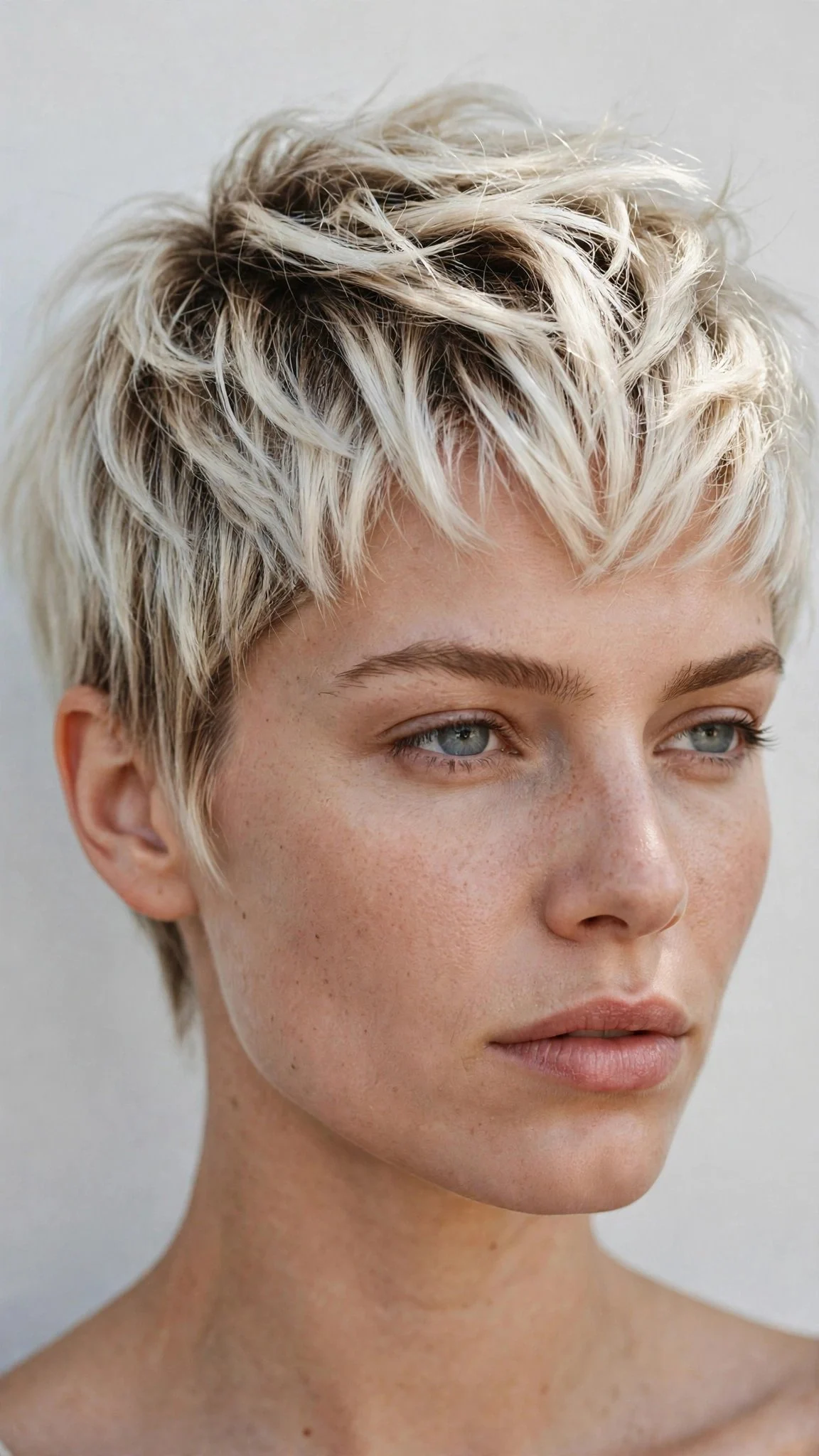
Color is a volume trick, and platinum is the ultimate one. Lightening fine hair roughs up the cuticle just enough to add grip and thickness, while the bright blonde reflects light and makes every textured piece pop. A textured pixie in icy platinum looks fuller, bolder, and more dimensional than the same cut in a flat dark shade.
Ask your stylist for a platinum or bright blonde with a slightly darker root for depth — the contrast alone adds dimension. Fine, lightened hair needs care: use a purple shampoo once a week and a lightweight bond-repair treatment. Style with a matte texture paste to emphasize the piecey layers without dulling the shine.
17. The High-Texture Pompadour Pixie
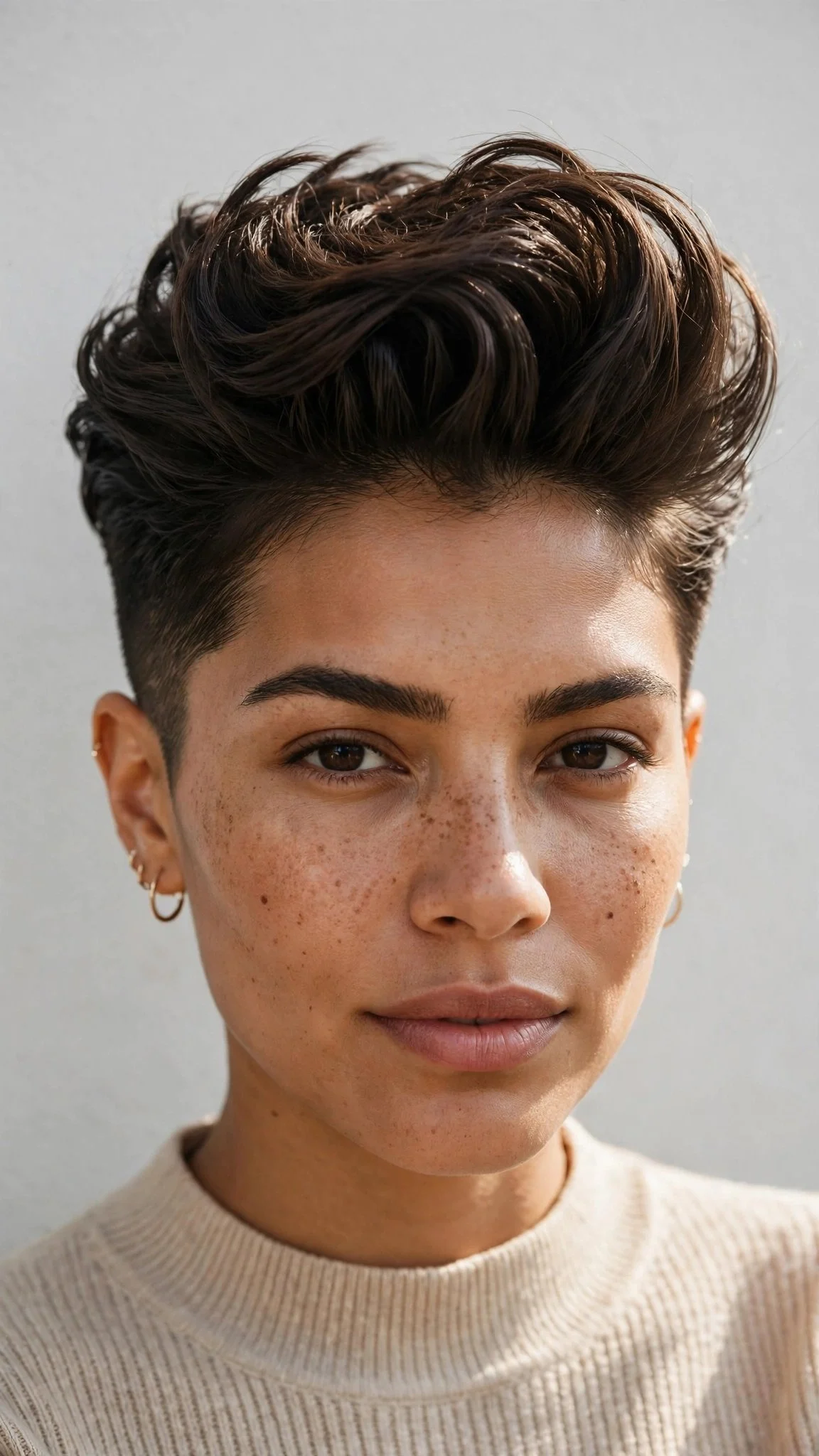
All the drama, none of the fuss. This pixie keeps the sides neat while the top is left long enough to sweep up and back into a soft pompadour shape. The height at the front elongates the face and gives fine hair a bold, voluminous silhouette. It’s retro-inspired but totally wearable, and it makes a serious style statement.
Ask your stylist for at least three inches on top with short, clean sides, cut to support backward styling. Blow-dry the top up and back with a round brush, then work a small amount of strong-hold pomade through the roots for lift that lasts. For extra height, backcomb the underlayer at the front very gently before smoothing the top layer over it.
18. The Two-Tone Dimensional Pixie
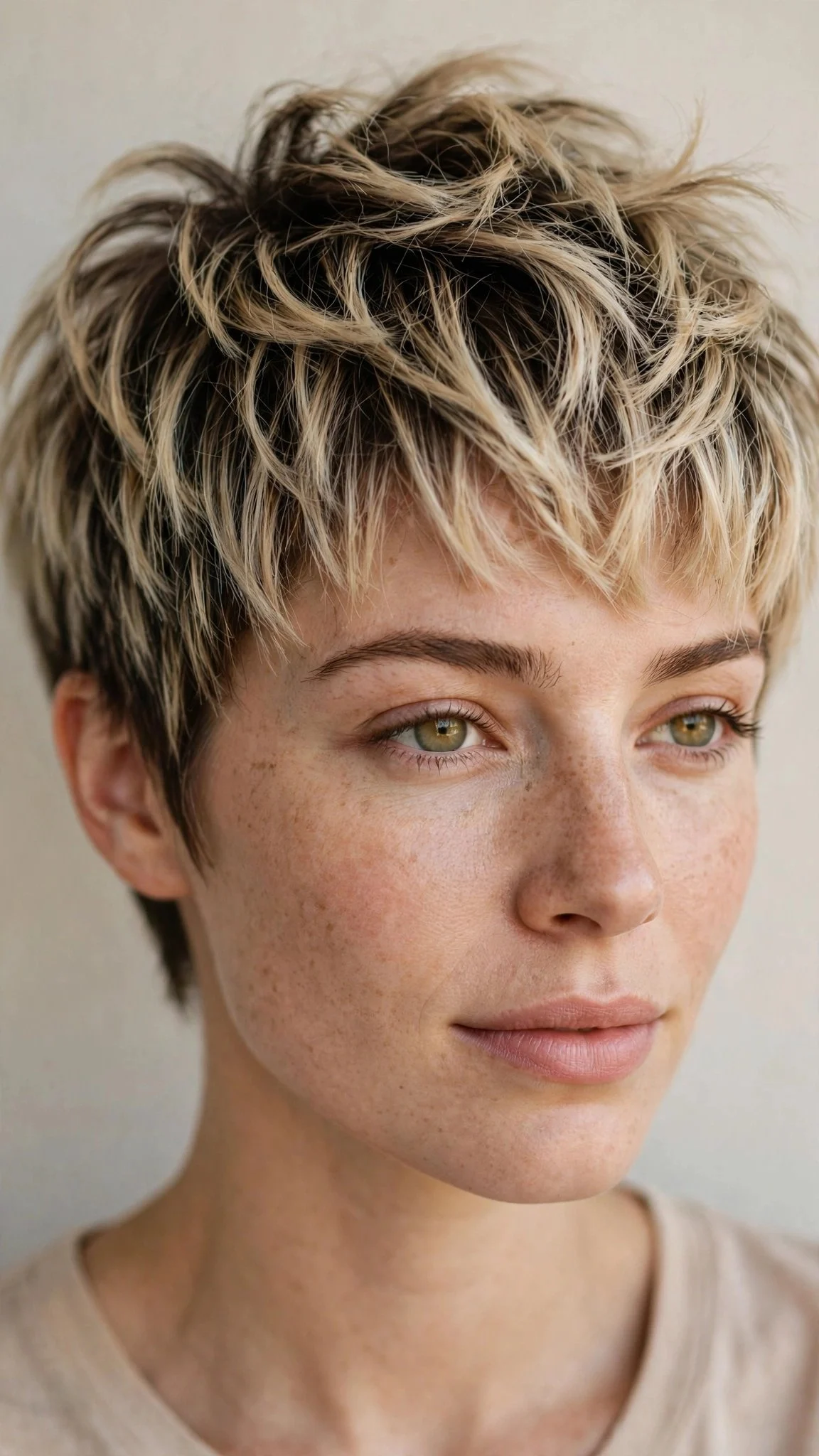
A root shadow or two-tone color placement can make fine hair look twice as thick. By keeping the roots slightly darker and the textured ends lighter, you create depth that tricks the eye into seeing density. On a pixie, the effect is striking — every piecey layer shows off the color transition and the cut looks richer and fuller.
Ask your stylist for a soft root melt about one to two shades darker than your ends, blended seamlessly. This low-maintenance color grows out without harsh lines, so you can stretch appointments. Boost the dimension by styling with a shine spray — light bouncing off the different tones is what sells the fullness.
19. The Soft Spiky Textured Pixie
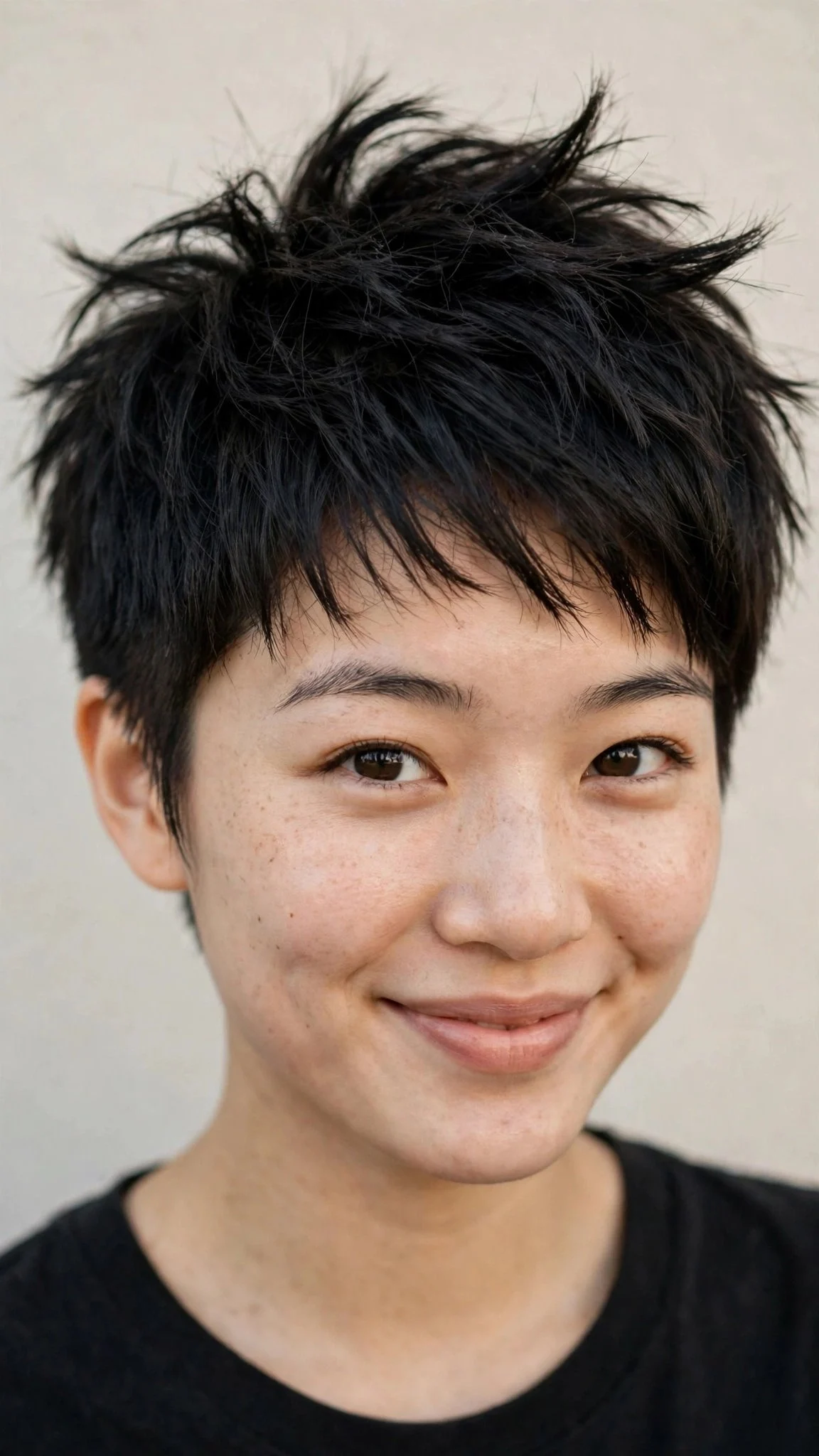
Forget the harsh spikes of the nineties — this is their softer, grown-up cousin. Short, piecey points are lifted and separated just enough to create texture and edge without looking severe. On fine hair, the lifted pieces create little pockets of air that read as volume, and the whole cut has a playful, youthful energy.
Ask your stylist for short, textured layers on top cut to stand up with minimal effort. The key product is a matte clay: warm a tiny amount between your palms and pinch the ends upward in small sections. Keep the sides smooth and close so all the texture lives on top where it adds the most fullness.
20. The Wavy Pixie with Curtain Bangs
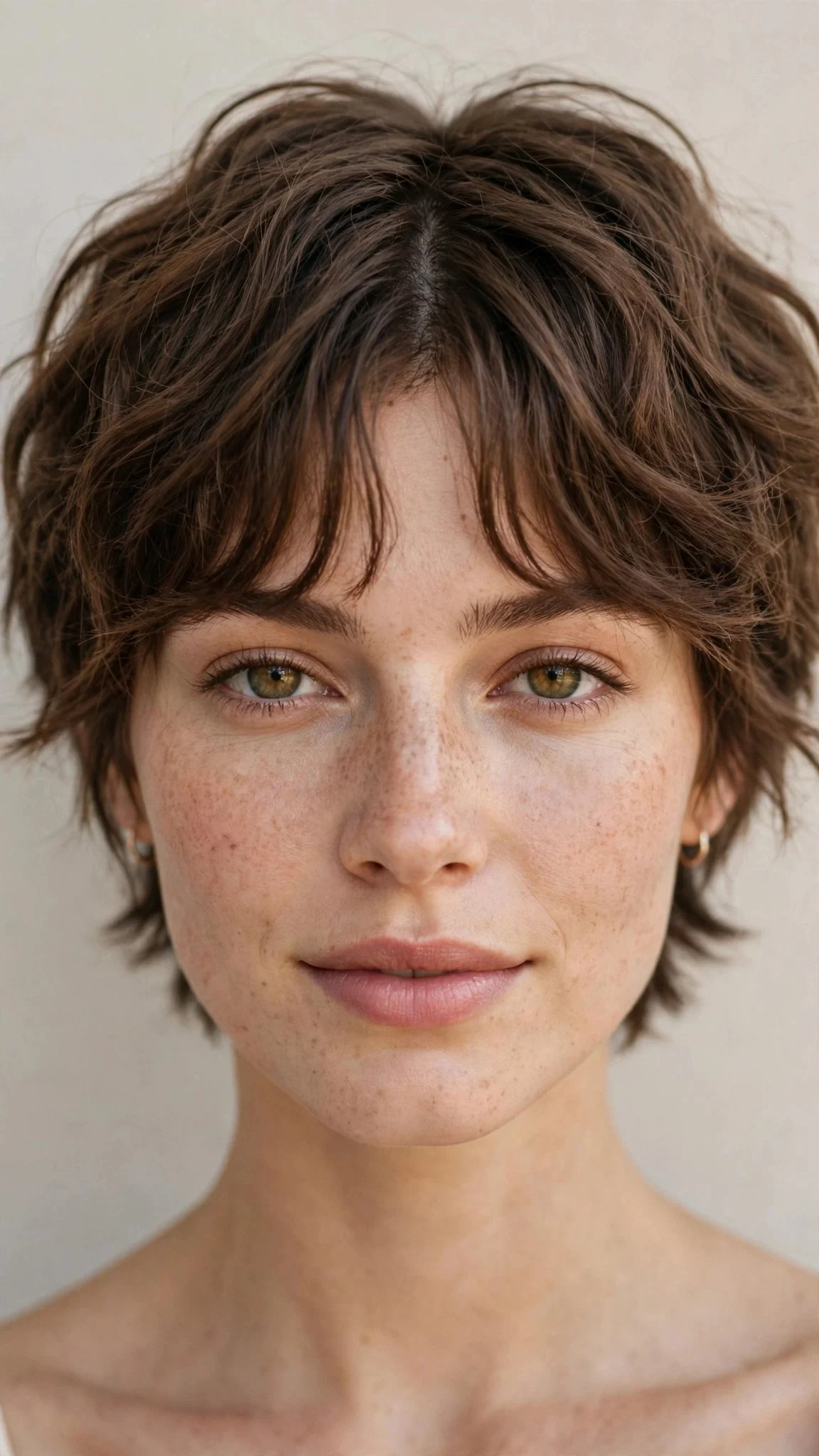
Curtain bangs aren’t just for long hair. On a textured pixie, soft curtain bangs part in the middle and frame the face like a picture frame, while the wavy texture through the cut adds airy fullness. It’s romantic, face-flattering, and perfect for fine hair with a natural wave that usually gets lost in longer cuts.
Ask your stylist for curtain bangs that hit at cheekbone or lip length, blended into the sides of the pixie. Enhance your natural wave with a curl-enhancing mousse scrunched into damp hair, then diffuse. Part the bangs down the middle while damp and let them fall naturally — no precision required.
FAQs
Will a pixie cut make my fine hair look thinner?
Actually the opposite — a textured pixie usually makes fine hair look thicker. Short layers remove the weight that pulls fine hair flat, and texture creates separation and movement that reads as fullness. The key is avoiding blunt, one-length cuts, which can make fine hair look sparse. Ask for point-cut or razor-cut ends and interior texture, and you’ll get a cut that looks denser than your hair did when it was long.
How often do I need to trim a textured pixie?
Every four to six weeks keeps the shape crisp, though textured and grown-out styles can stretch to eight weeks. Fine hair shows regrowth faster because the shape loses its edge, so book your next appointment before you leave the salon. Between visits, a little dry shampoo at the roots and texturizing spray will keep the cut looking intentional.
What are the best styling products for fine hair in a pixie cut?
Think light and buildable: a volumizing mousse for the roots, a texturizing powder or dry texture spray for grip, and a pea-sized amount of matte paste or clay for piecey definition. Avoid heavy waxes, oils, and silicone-laden serums, which coat fine strands and pull them flat. Less is always more — start with half of what you think you need.
Can I get a textured pixie if my hair is very straight and fine?
Absolutely — straight, fine hair is actually ideal for many textured pixies because the cut’s layers do the work instead of your natural texture. Ask your stylist to use point cutting or a razor to create soft, separated ends, since blunt cutting on straight fine hair can look flat. A texturizing spray becomes your best friend for adding the piecey separation the cut is designed to show off.
How long does it take to style a textured pixie each morning?
Most textured pixies take five to ten minutes. The fastest routine: dampen the roots, work in mousse or texture powder, rough-dry while tousling with your fingers, and pinch a few pieces for definition. Many pixie wearers find day-two hair styles even better, since a little natural oil adds grip. Keep dry shampoo by your bed for a thirty-second refresh.
Does a pixie cut work for round faces with fine hair?
Yes, with the right details. Height at the crown elongates the face, so ask for volume on top rather than width at the sides. Asymmetry, a deep side part, or a longer sweeping fringe also draw the eye diagonally and slim the face visually. Avoid cuts that are very short and round all over, which can emphasize fullness in the cheeks.
What if I regret cutting my fine hair into a pixie?
Hair grows back — typically about half an inch a month — and pixies grow out through some genuinely cute in-between stages, especially if your stylist plans for it. If you’re nervous, start with a longer version like a bixie or a long-top pixie, which gives you the short-hair experience with a safety net. You can always go shorter at your next appointment.
Wrap Up
Going short with fine hair isn’t a risk — it’s one of the smartest moves you can make. Every cut on this list is designed to do what fine hair struggles with on its own: create volume, movement, and shape that lasts beyond wash day. Pick the one that matches your lifestyle, bring the photo to your stylist, and don’t be afraid to ask for the texture by name.
I’d love to know which one you’re trying first. Short hair has a way of becoming addictive — in the best way — and I have a feeling your fine hair is about to have its fullest, most fun era yet.
I’m Marie, the founder and editor of Vivenglow.com. I share practical hairstyle, fashion, beauty, and lifestyle ideas, with helpful details that make it easier to choose, style, and recreate the looks you love.
Sarah Mark
- Content about haircuts, styles, ideas, and trends.
- Keeping it real and easy to follow.
- Helping you find a look.

The Conversation
Your voice matters. Discussions are moderated for civility.